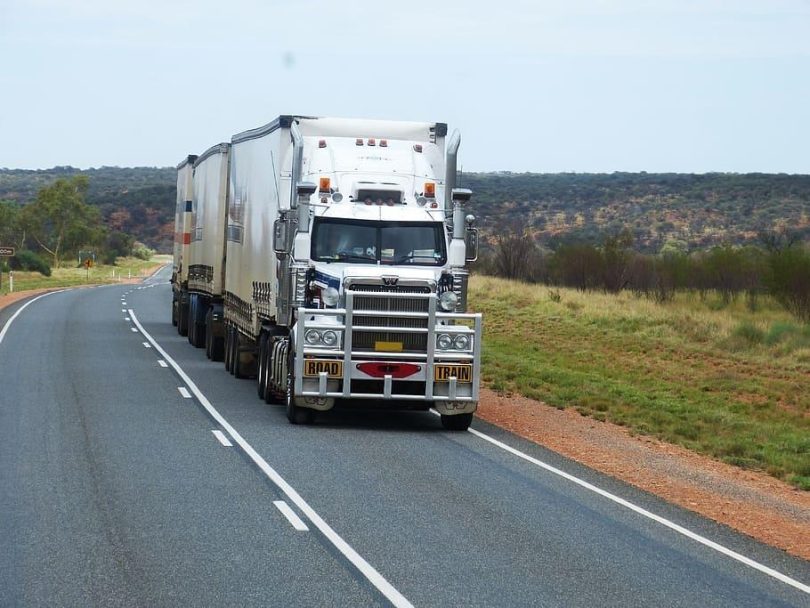

Freight transportation has always required a careful balance between planning and adaptability, but that balance is becoming more critical as environmental conditions and operational demands evolve. From extreme weather patterns to rapid innovation in logistics technology, modern supply chains must account for a broader range of variables than ever before. These changes are not isolated; they intersect in ways that directly affect how goods are moved, scheduled, and delivered.
For logistics professionals, particularly those involved in heavy haul and long-distance freight, the ability to adapt to both environmental and technological shifts is essential. Efficiency is no longer just about speed or cost. It now involves resilience, precision, and the capacity to operate effectively under changing conditions.
Climate Considerations in Freight Operations
Weather and climate have always influenced transportation, but their impact is becoming more pronounced. High temperatures, severe storms, and seasonal extremes can disrupt routes, damage infrastructure, and affect equipment performance. In regions with intense heat, for example, road surfaces can degrade more quickly, while vehicles may require additional maintenance to operate safely.
These challenges are particularly relevant in scenarios such as regional relocations and transport planning, where environmental conditions must be carefully considered. Insights into managing logistics under extreme conditions can be seen in resources like planning transportation in high-temperature environments, which highlight the importance of preparation and timing.
For freight providers, integrating climate considerations into planning processes helps reduce risk and improve reliability. This may involve adjusting schedules, selecting alternative routes, or implementing additional safety measures for equipment and personnel.
Innovation Reshaping Freight and Logistics
Technological innovation continues to redefine how freight transportation operates. Digital platforms, automation, and data analytics are enabling logistics providers to optimize routes, improve visibility, and enhance coordination across supply chains. These advancements are not only improving efficiency but also helping companies respond more effectively to disruptions.
Developments in the logistics sector, such as those highlighted in innovative logistics solutions and companies, demonstrate how new approaches are reshaping transportation networks. These innovations often focus on integrating data and improving decision-making processes, allowing logistics providers to operate with greater precision.
For heavy haul operations, technology supports detailed planning and execution. Digital tools can incorporate infrastructure data, weather conditions, and regulatory requirements, providing a comprehensive view of potential challenges and opportunities.
Balancing Innovation with Practical Execution
While innovation offers significant benefits, its success depends on practical implementation. Logistics providers must ensure that new technologies align with real-world operational needs. This requires careful evaluation, testing, and integration into existing systems.
In many cases, incremental improvements are more effective than large-scale changes. By gradually adopting new tools and refining processes, logistics teams can enhance performance without introducing unnecessary complexity.
Infrastructure Challenges and Opportunities
Infrastructure remains a critical factor in freight transportation, influencing both efficiency and reliability. Roads, bridges, ports, and distribution centers form the physical framework that supports logistics operations. Their condition and capacity directly affect how goods are moved.
Environmental factors can place additional strain on infrastructure, leading to increased maintenance requirements and potential disruptions. At the same time, ongoing investments in infrastructure development create opportunities for improved efficiency and expanded capacity.
In heavy haul logistics, infrastructure considerations are especially important. Transporting oversized cargo requires routes that can accommodate specific weight and clearance requirements. Careful planning is essential to ensure that these constraints are addressed effectively.
Operational Expertise in Complex Environments
As logistics systems become more complex, the role of experienced professionals becomes increasingly important. Technology provides valuable tools, but human expertise is essential for interpreting data, managing exceptions, and making strategic decisions.
Providers such as BearDown Logistics illustrate how operational knowledge can support effective freight management in challenging conditions. By combining experience with modern logistics practices, they are able to navigate complexities while maintaining consistent service levels, particularly in bridge beam transport engineering.
This expertise is particularly valuable in heavy haul and specialized transport, where each project involves unique variables. The ability to anticipate potential issues and adapt plans accordingly is a key factor in successful execution.
Coordinating Across Multiple Variables
Freight transportation involves a wide range of variables, including weather, infrastructure, regulatory requirements, and market conditions. Coordinating these factors requires a structured approach that balances planning with flexibility.
Logistics providers must be prepared to adjust their strategies as conditions change. This may involve rerouting shipments, rescheduling deliveries, or reallocating resources to address unexpected challenges. Effective coordination ensures that operations remain efficient even in complex environments.
Building Resilient Freight Systems
Resilience has become a defining characteristic of modern logistics. Freight systems must be capable of withstanding disruptions while maintaining performance. This requires a combination of robust infrastructure, advanced technology, and skilled personnel.
Resilient systems are designed to adapt rather than react. They incorporate flexibility into planning processes, allowing logistics providers to respond quickly to changes. This approach reduces the impact of disruptions and supports consistent service delivery.
In heavy haul operations, resilience is particularly important due to the complexity of shipments. Careful planning, combined with the ability to adapt, ensures that projects can be completed successfully even under challenging conditions.
Looking Ahead: The Future of Freight Transportation
The future of freight transportation will be shaped by the continued interaction between environmental factors, technological innovation, and operational expertise. As supply chains evolve, logistics providers must remain adaptable, continuously refining their strategies to meet changing demands.
Advancements in technology will provide new tools for managing complexity, while infrastructure development will expand capacity and improve efficiency. At the same time, environmental considerations will continue to influence how transportation networks are designed and operated.
Freight transportation is becoming a more integrated and dynamic system, where multiple elements work together to support the movement of goods. Understanding how these elements interact is essential for building logistics networks that are both efficient and resilient.
As the industry moves forward, the ability to align innovation with practical execution will remain a key factor in success. By combining technology, infrastructure, and expertise, logistics providers can create systems that meet the demands of modern supply chains while adapting to the challenges of an evolving landscape.