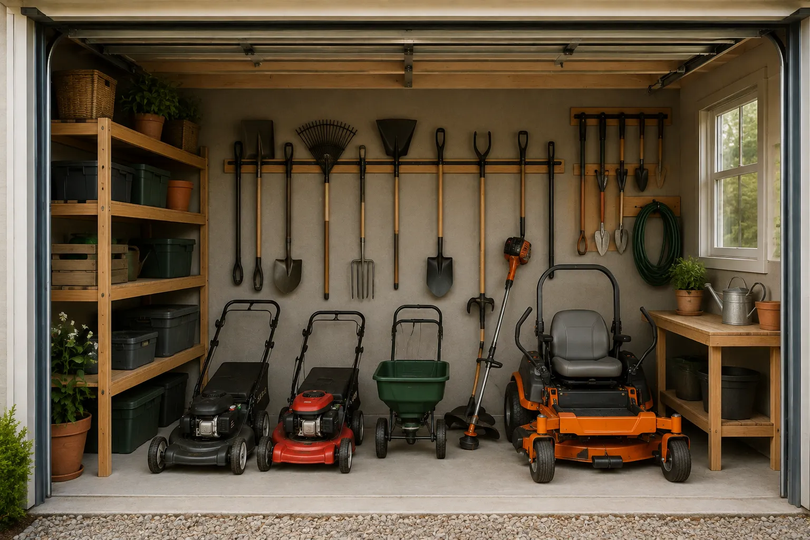

Every homeowner eventually reaches a point where the garage starts filling up with yard tools bought one at a time, usually right after something breaks down mid task. A trimmer picked up in a hurry before a weekend cookout, a chainsaw borrowed once and then purchased out of convenience, a mower replaced only after the old one finally gave out. Building a yard equipment kit this way often leads to a mismatched collection of tools that vary wildly in quality and reliability.
A more thoughtful approach looks at the full range of tasks a yard actually demands and builds a kit around durability from the start, and that often means paying attention to which manufacturers, like NEWTOP, actually stand behind the equipment being sold under different store brands.
Why Equipment Quality Matters More Than Brand Names
Walk into any hardware store and the wall of outdoor power equipment can look overwhelming, with dozens of brand names promising similar performance at different price points. What many homeowners do not realise is that a large share of outdoor power equipment, from chainsaws to brush cutters to generators, is produced by a much smaller group of manufacturers who supply multiple retail brands. The name on the box matters less than the engineering and quality control behind the actual machine.
This is why looking past the branding and understanding manufacturing quality, testing standards, and certifications can lead to better long term decisions than simply picking a recognisable name off the shelf.
Starting With the Essentials
A reliable yard kit does not need to include every possible tool from day one. Most homeowners can cover the majority of regular maintenance with a core set of equipment: a mower suited to the size of the lawn, a trimmer for edges and tight spots a mower cannot reach, and a chainsaw for occasional tree or branch work. Building around these essentials first, with an emphasis on durability rather than the lowest upfront price, tends to save money over time by avoiding repeated replacements.
Cheaper equipment often cuts corners in areas that are not obvious at the point of purchase, such as engine longevity, vibration dampening, or the quality of internal components that wear down with regular use. These issues usually surface only after months of ownership, once the return window has long closed.
Choosing the Right Power Source
One of the bigger decisions homeowners face today is choosing between gasoline powered and battery powered equipment. Gasoline tools generally offer more consistent power for demanding tasks and do not require downtime for recharging, which matters for larger properties or heavier jobs like clearing overgrown brush. Battery powered options have improved significantly in recent years, offering quieter operation and no exhaust fumes, which makes them appealing for smaller yards or homeowners prioritising convenience over raw power.
Neither option is universally better, and the right choice depends on yard size, the type of tasks involved, and personal preference around maintenance and noise levels.
Maintenance Habits That Extend Equipment Life
Even well built equipment needs proper care to last. Simple habits, like cleaning debris after each use, checking oil levels regularly on gas powered tools, and storing equipment in a dry, sheltered space, make a noticeable difference in how long a machine stays reliable. Skipping basic maintenance is one of the most common reasons homeowners end up replacing equipment sooner than expected, often blaming the tool itself rather than the lack of upkeep.
Keeping a simple maintenance schedule, even something as basic as a seasonal checklist, helps catch small issues before they turn into costly repairs or complete tool failure.
Building the Kit Gradually
Rather than trying to buy everything at once, many homeowners find it more manageable to build their yard equipment kit gradually, prioritising the tools used most frequently first. A mower and trimmer usually come first for most properties, followed by a chainsaw or brush cutter for less frequent but still necessary tasks. Larger equipment, like generators for backup power during outages, often gets added later once the core lawn care tools are in place.
This gradual approach also allows homeowners to learn what actually suits their property and usage patterns before committing to more specialised or expensive equipment.
Where Manufacturing Quality Comes Into Play
For homeowners who take the time to research beyond the retail branding, understanding which manufacturers actually produce the equipment can be a useful part of the decision process. Companies with established manufacturing histories and clear quality certifications tend to produce more consistent equipment across their product lines, regardless of which store brand the tool eventually ends up under. This kind of research takes a bit more effort upfront but often results in a more informed purchase than relying on marketing alone.
Final Thoughts
A reliable yard equipment kit is built over time, not assembled in a single shopping trip. Focusing on durability, understanding power source trade offs, and maintaining tools properly all contribute far more to long term reliability than chasing the lowest price or the most recognisable brand name. For homeowners willing to put in a bit of research upfront, the payoff is a set of tools that actually holds up season after season rather than needing constant replacement.