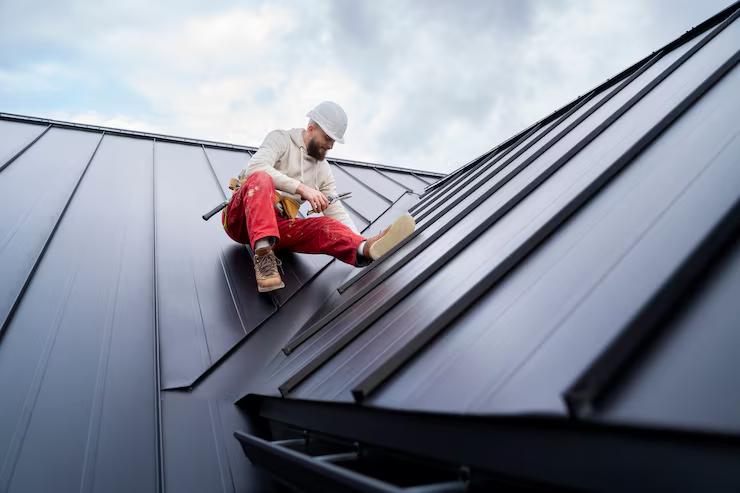

Most roof damage does not begin with a dramatic crash or water pouring through the ceiling. It starts small. A stain near the hallway light. A damp smell in the attic that nobody can quite explain. Maybe a few shingles show up in the yard after a windy night. A lot of homeowners brush it off at first because life gets busy, and the house still feels fine. That decision can come back to bite you later.
People often search for emergency roofing services in Towson after the problem suddenly feels urgent. Rain starts coming inside. Drywall bubbles. Parts of the ceiling feel soft when touched. Panic kicks in fast at that stage. Some roofing companies know exactly how emotional homeowners become during moments like that. They show up quickly, speak with confidence, and pressure people into signing paperwork before a full inspection even happens.
Property maintenance and storm repair needs can vary depending on a home’s age and condition. Companies such as Magnum Home Services, LLC continue to be part of the broader conversation surrounding roofing and exterior repair services in Towson.
Fear Pushes Homeowners Into Fast Decisions
A leaking roof changes the mood inside a house almost immediately. Sleep becomes difficult during heavy rain. Every sound from the ceiling starts feeling suspicious. Parents worry about bedrooms upstairs. Some people place buckets around the house and hope the storm passes without things getting worse. That stress changes decision-making. Maybe more than people admit.
Some contractors take advantage of that panic. They warn homeowners that the roof could collapse at any moment or claim the entire structure needs replacement before even checking the attic. That pressure works on scared people. It probably always will. Still, rushed decisions lead to costly mistakes later. A quick repair does not always fix the underlying issue.
Good roofers usually slow things down a little. Not too much, because emergencies still matter, but enough to inspect things properly. Photos help. Straight answers help more. If somebody avoids questions or keeps changing the explanation midway through the conversation, that should bother homeowners. A lot, honestly.
Hidden Damage Creates Bigger Problems Later
One weak area many homeowners overlook is roof flashing. Those thin metal sections around vents and chimneys quietly protect vulnerable joints from moisture. When flashing loosens or cracks, water seeps beneath roofing materials and spreads before anyone notices. FEMA has warned that wind-driven rain often enters through damaged flashing points during storms. That kind of leak can travel far from the original opening.
Insurance claims become confusing, too. Many homeowners assume storm damage automatically means full coverage. Real life does not always work that way. Adjusters closely inspect age, maintenance history, and older wear patterns. A roof with years of neglected issues may create disputes during the claims process. Some homeowners discover that far too late, after already committing to repair contracts.
Then there is the moisture issue beneath the roof. Water rarely stays in one spot. It slowly spreads through insulation, wood framing, and drywall. Sometimes the ceiling stain disappears for weeks, making people think the problem has fixed itself. It did not. The moisture often remains trapped in hidden areas of the home.
Temporary Repairs Can Mislead Homeowners
Tarps stop active leaks for a little while. That is useful during storms. Still, temporary patches can create false confidence. Homeowners can stop worrying because the dripping slows, though the trapped moisture continues to move beneath the surface. A few months later, moldy smells appear in closets or at the corners of the attic. By then, the repair bill usually grows larger.
Ventilation problems also confuse many homeowners. A roof may look perfectly repaired from the outside while poor attic airflow continues to damage the shingles underneath. Heat and moisture buildup weaken roofing materials over time. Some people replace shingles and still face problems again during the next season. That catches them off guard because they assumed the earlier repair solved everything.
Another thing people miss involves the underlayment beneath shingles. Modern systems often include an ice-and-water shield in vulnerable roof sections. This layer helps slow water penetration during storms and winter weather. Homeowners rarely ask about it because they focus on what they can actually see from outside. Understandable, honestly.
Questions Homeowners Should Ask Before Hiring
Roof emergencies move fast, though homeowners should still ask direct questions before signing anything.
- Is the contractor licensed and insured?
- Will attic moisture get inspected?
- Are photos included before repairs begin?
- Does the written agreement clearly explain cleanup?
- Who communicates with the insurance adjuster?
- Will ventilation problems get checked, too?
Simple questions reveal a lot about a contractor. Honest roofers usually answer calmly without pushing homeowners into immediate decisions. Aggressive sales pressure feels different. Most people sense it right away.
Reviews matter too, though perfect ratings can look suspicious sometimes. Real customer experiences usually contain mixed emotions and small frustrations. Delays happen during storms. Communication breaks down occasionally. That feels believable. Endless perfect reviews with identical wording do not.
Storm Damage Affects More Than The Roof
The National Weather Service has warned that strong winds can tear roofing materials away and expose homes to moisture damage. Once water enters the structure, problems spread quietly behind walls and insulation. Mold growth, warped wood, and electrical trouble may follow. Many homeowners discover the real damage weeks later, after strange odors or soft drywall sections appear indoors.
Towson homes vary a lot from neighborhood to neighborhood. Some properties have aging roof structures hidden beneath newer shingles. Others have ventilation systems that no longer perform properly after years of wear. Local roofing experience matters because older homes react differently after storms. Contractors unfamiliar with those conditions sometimes miss warning signs during inspections.
Cheap estimates create another problem. People naturally want relief during emergencies, especially when stress already feels overwhelming. Still, low bids often omit important repairs or better-quality materials. Homeowners later realize the agreement covered only surface-level work. Then another storm arrives, and the cycle starts all over again.
Slowing Down Usually Leads To Better Decisions
The safest choice usually involves slowing things down just enough to think clearly. Read the paperwork carefully. Ask uncomfortable questions if something feels off. Request inspection photos. A roof protects everything underneath it, including family memories, personal belongings, and basic peace of mind during storms.
Homeowners who understand roof flashing and ice-and-water shield systems often make better decisions during inspections. Even small knowledge gaps matter during emergencies. Contractors notice when homeowners ask informed questions. The conversation changes a little after that.