
Large commercial build-outs—such as office interiors, retail spaces, medical facilities, and tenant improvements—generate a wide range of waste materials throughout the construction process. Unlike smaller projects, where debris may be limited to a few material types, commercial build-outs involve multiple trades working simultaneously, each producing different waste streams.
For commercial contractors, managing these waste streams effectively is essential to maintaining jobsite organization, supporting efficiency, and ensuring compliance with local disposal requirements. Without a structured approach, debris can become scattered, containers can fill unpredictably, and workflow can slow across multiple work zones.
Understanding the Complexity of Commercial Waste Streams
Commercial build-outs produce diverse materials at different stages of the project. Early phases may involve demolition debris, while later phases generate packaging, offcuts, and installation waste.
Typical waste streams include:
- Drywall, studs, and framing materials
- Ceiling tiles and grid systems
- Flooring materials such as carpet, tile, and vinyl
- Electrical and plumbing cutoffs
- Packaging from fixtures, lighting, and equipment
- Metal scraps and miscellaneous construction debris
Because these materials differ in size, weight, and handling requirements, a one-size-fits-all disposal approach often leads to inefficiencies.
Why Structured Waste Stream Management Matters
When waste streams are not managed intentionally, several issues can arise:
- Containers may fill unevenly, leading to overflow in some areas
- Crews may dispose of materials in incorrect locations
- Debris can accumulate in work zones, creating congestion
- Additional labor may be required to sort or relocate waste
A structured waste management plan helps prevent these issues by defining how and where materials should be handled throughout the project.
Separating Waste by Type and Work Area
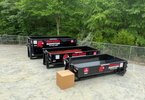
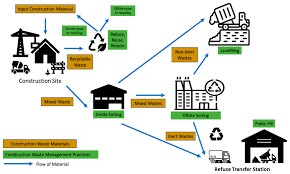
One of the most effective strategies for managing waste streams is separating materials based on type or work zone. This can be done by assigning specific containers to certain materials or trades.
For example:
- One container for general construction debris
- Another for drywall and framing waste
- Separate containers near high-volume work areas
This approach helps keep materials organized and allows crews to dispose of debris quickly without confusion.
Separating waste also makes it easier to monitor container usage and schedule pickups based on actual demand.
Coordinating Containers Across Multiple Work Zones
Large commercial build-outs often involve multiple active areas at once. Crews may be working on different floors or in separate sections of the building simultaneously.
Providing access to containers in each active zone helps reduce travel time and improves efficiency. When workers must carry debris long distances, productivity decreases and waste may be left in temporary piles.
Strategic container placement ensures that disposal options are always within reach of active work areas.
Aligning Waste Management with Project Phases
Each phase of a commercial build-out generates different types and volumes of waste. Planning container usage around these phases helps ensure adequate capacity is available when needed.
During demolition, larger containers or more frequent pickups may be required to handle heavy debris. As the project moves into installation phases, smaller but consistent waste streams may require adjusted pickup schedules.
Aligning waste management with project phases helps maintain consistency and prevents unexpected overflow.
Monitoring Container Fill Levels
Keeping track of how quickly containers fill is an important part of managing waste streams effectively. Some materials, such as drywall, may fill containers quickly but remain lightweight, while others, such as tile or concrete, may reach weight limits before the container appears full.
Regular monitoring allows contractors to:
- Schedule pickups before containers overflow
- Adjust container sizes or quantities as needed
- Prevent disruptions caused by full or unusable containers
Proactive monitoring supports smoother operations across the entire jobsite.
Coordinating Pickup Schedules Without Disruption
On large commercial projects, container pickups must be coordinated carefully to avoid interfering with ongoing work. Service trucks require access to containers and space to maneuver, which can temporarily affect jobsite traffic.
Scheduling pickups during lower-activity periods helps reduce disruptions. Contractors often coordinate service times with waste providers to ensure containers are removed and replaced efficiently.
Maintaining clear access routes for pickup also ensures that service can be completed quickly.
Supporting Multiple Trades with Clear Guidelines
Commercial build-outs involve coordination between numerous subcontractors, each responsible for their own materials and debris. Without clear guidelines, waste may be disposed of inconsistently across the site.
Establishing clear expectations helps ensure that all trades follow the same waste management practices. This may include:
- Identifying which containers should be used for specific materials
- Communicating container locations
- Reinforcing cleanup expectations at the end of each workday
Consistent practices help maintain organization and reduce confusion among crews.
Maintaining Safety and Organization
Unmanaged waste can create hazards on commercial job sites. Debris left in walkways or work areas increases the risk of trips, falls, and equipment-related incidents.
Organized waste management helps keep work areas clear and supports safer working conditions. When materials are disposed of promptly, crews can move freely and complete tasks more efficiently.
A clean jobsite also makes it easier to identify potential issues and maintain overall control of the project environment.
Adapting to Changing Project Conditions
As build-outs progress, work zones shift and new areas become active. Waste management strategies should adapt to these changes.
Containers may need to be relocated, added, or removed depending on where work is taking place. Flexibility is essential for maintaining effective waste management throughout the project lifecycle.
Contractors who adjust their approach as the project evolves are better able to keep debris under control.
Working with Experienced Waste Providers
Managing waste streams on large commercial projects often requires coordination with experienced service providers. Providers can help determine appropriate container sizes, recommend placement strategies, and adjust service schedules as the project progresses.
Many commercial contractors coordinate waste logistics through services such as Waste Removal USA to ensure containers are delivered and serviced in alignment with project needs.
Reliable service and clear communication help ensure that waste removal remains consistent and predictable.
Integrating Waste Management into Project Planning
The most effective waste management strategies are developed during the planning phase of the project. By considering waste streams alongside other logistical elements, contractors can create a system that supports efficiency from the start.
Planning may include:
- Estimating debris volume for each phase
- Identifying container locations
- Scheduling deliveries and pickups
- Establishing guidelines for waste separation
Integrating these elements into the project plan helps prevent reactive decisions and ensures waste management supports overall construction operations.
Managing waste streams on large commercial build-outs requires a coordinated and adaptable approach. By separating materials, placing containers strategically, monitoring usage, and aligning service with project phases, contractors can maintain organized and efficient job sites.
Effective waste management reduces congestion, supports safety, and allows crews to focus on their work without unnecessary interruptions. When waste streams are managed properly, commercial build-out projects can progress smoothly from initial demolition through final installation.