
When winter weather hits, the safety of your building or business, how easy it is to get in and out, and whether you can keep things running all depend on your plans. If you are a property manager, HOA board member, or owner, a big snowstorm is more than just pretty. It can make things hard and put you at risk. To keep roads, private neighborhoods, and large parking lots open, you need much more than a simple truck with a blade. You need to have a good plan to look after your place in the winter.
Choosing the right commercial clearing partner can change how your business day goes. It can keep things running smoothly or lead to problems that stop work. This guide will show you the key things to find in a good road and lot clearing team. These points help your place stay safe and easy to get to all season long.
Understanding the Demands of Large-Scale Lot Management
Clearing big business lots and roads for the community is not the same as clearing a driveway at home. The amount of traffic, the size of the area, and things like light poles, speed bumps, and fire hydrants mean you need strong equipment. You also have to do the job carefully and in the right way.
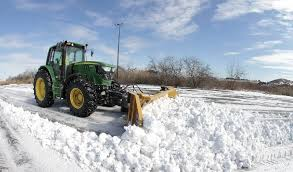
When looking for providers, check if the company uses the right tools for the job. Old plow trucks can only do so much. They often push snow into big piles at the ends of parking lots where it can block your view. A good provider such as snow plowing anchorage will have things like tractor-blower setups, front-end loaders, and skid steers. These make easier to clean the whole area, move snow where you need, and clear narrow roads well, without piling up snow banks.
Also, your provider should do a site check before the season starts. By mapping the property before any snow hits, the team will know where to move the snow. They will see where the important parts of the landscaping are. They will also know the best way to move around water areas when the snow starts to melt.
The Anatomy of an Efficient Snow Plowing Plan
Good winter work for businesses needs strong talk and a clear plan. A top snow company will not wait for you to call after the snow comes. They will already have a set amount—usually one to two inches—of snow before their teams start work at your place.
When you look at how a company works every day, use this checklist to help you:
- Dedicated Equipment in Your Zone: Make sure the contractor does not put too many jobs on their list. A good company keeps its trucks close so they can get to you fast and help their main clients quickly.
- Real-Time Tracking and Reporting: Top services use GPS to track where their trucks go. This lets property managers know for sure when a road or lot was cleared.
- Flexible Scheduling: For stores, snow must go before the doors open. For factories or homes, the work may need to happen anytime in the day or night. Your provider must fit the schedule to match your traffic.
A good plan finds the right balance between being quick and doing the job well. Clearing snow fast does not help if the asphalt still has a thick layer of packed snow on it. You also need to clear the access roads, or cars will not get in because frozen piles are blocking the way.
Prioritizing Safety: Traction Control and Ice Management
Taking away snow is just one part of the job. The real risk can often be under the snow. There can be black ice or hard and thick snow that you cannot see. A good commercial clearing contract must also include strong ice control along with normal plowing.
High-traffic commercial lots and steep private subdivisions need to have sand and melting agents put on the ground often. Sanding is very important when the road is icy, as it gives a quick grip for cars and delivery trucks. When you check a company, you should ask them how they deal with removing ice.
- Pre-Treatment: Will they put liquid brine on the surfaces before a storm to stop ice from sticking to the road?
- Post-Plow Sanding: Do they spread sand or salt right after they clear the snow to get any leftover water?
- Eco-Friendly Options: Do they have melting agents that do not hurt your concrete or the plants next to it?
Liability, Insurance, and Professional Standards
Taking care of your property in winter is important. It helps you avoid problems like people slipping on icy walkways. It can also stop cars from crashing on roads that are not shoveled. Both can bring big legal problems and cost you a lot of money if you own the property. This is why you should never hire someone without insurance or hire someone who is not well-trained for the job.
Always ask to see proof of full business insurance and workers’ compensation. A good contractor will give you these papers fast, along with a clear contract. The contract should say what the work will be, how you will pay (per push, per hour, or a set rate for the season), and show who is responsible if someone gets hurt on your site, as long as the contractor did what you both agreed.
Conclusion
Putting your money into a top winter service is about feeling safe and making sure you do not lose money. When winter gets tough, it is good to have a crew that is ready with the right tools.
This matters even more in places with extreme conditions, where snow plowing Anchorage Alaska services play a key role in keeping daily operations running smoothly.This helps keep your roads open, lets your businesses keep running, and keeps your people safe. For reliable commercial work and the needs to handle cold, hard winters, you should check your contractor’s tools, how quickly they answer, and what safety rules they follow before winter starts. This is the best way to have a winter with no stress.
Frequently Asked Questions
Q: What is a standard commercial snow trigger depth?
A: Most professional contracts set the snow trigger depth at 1 to 2 inches. Crews go out to work as soon as the snow reaches this level.
Q: Why is tractor snow blowing better than truck plowing?
A: Tractors move snow off the surfaces instead of just pushing it. This helps get rid of big snow piles and frozen snow banks that can block parking spaces.
Q: When should commercial lots be sanded or de-iced?
A: Right after the first plow, the lot should be sanded or de-iced to help with extra water left behind. You should keep putting down sand or de-icer during busy hours or when there is a lot of ice.
Q: Is a snow removal contractor liable for slip-and-falls?
A: A snow removal contractor will be held responsible if they do not meet the clear rules for response times and action that are written in your contract. Make sure your provider has full insurance for these kinds of issues.