
Your heating and cooling system is one of the hardest-working systems in your home. Whether it’s keeping your family cool during the heat of summer or warm on a freezing winter night, your HVAC system operates for hundreds of hours each year. Yet, despite how heavily we rely on it, many homeowners don’t think about their HVAC equipment until it suddenly stops working.
The reality is that most heating and cooling problems don’t happen overnight. Just like a vehicle needs regular servicing to perform efficiently, an HVAC system requires routine maintenance to continue operating safely and effectively. Ignoring small warning signs can lead to higher energy bills, reduced comfort, expensive repairs, and even complete system failure.
Understanding how your HVAC system works, why problems develop, and how regular maintenance can prevent them is one of the best ways to protect both your home and your budget.
Why HVAC Systems Lose Efficiency Over Time
When an HVAC system is new, every component works together smoothly. Air filters are clean, airflow is unrestricted, and mechanical parts operate with minimal effort. As months and years pass, however, dust, dirt, and normal wear begin to affect performance.
Air filters become clogged, reducing airflow throughout the home. Dirt collects on evaporator and condenser coils, making it harder for the system to transfer heat efficiently. Moving components such as motors and fans experience gradual wear, forcing the equipment to work harder than necessary.
As the workload increases, the system consumes more electricity while delivering less comfort. Homeowners often notice this through rising utility bills before realizing their HVAC system is the cause.
Regular maintenance helps restore efficiency by addressing these issues before they begin affecting overall performance.
Common Signs Your HVAC System Needs Attention
Many homeowners assume their HVAC system is working properly simply because it still turns on. However, equipment often provides warning signs long before a major breakdown occurs.
Some of the most common indicators include uneven temperatures between rooms, unusual noises, weak airflow from vents, unpleasant odors, or a system that runs much longer than it used to.
Another warning sign is an unexplained increase in energy costs. If your utility bills continue climbing despite similar usage habits, your heating and cooling system may be operating inefficiently.
Ignoring these early symptoms often leads to more expensive repairs later. Addressing them promptly not only restores comfort but also helps extend the life of the equipment.
The Importance of Clean Air Filters
One of the simplest yet most overlooked aspects of HVAC maintenance is replacing the air filter.
The filter’s job is to capture dust, pollen, pet hair, and other airborne particles before they enter your HVAC equipment and circulate throughout your home. Over time, the filter becomes clogged, restricting airflow and forcing the system to work harder.
Reduced airflow can create several problems. Rooms may feel uncomfortable, the system may run continuously without reaching the desired temperature, and energy consumption increases significantly.
Replacing air filters on a regular schedule improves airflow, reduces strain on the equipment, and helps maintain healthier indoor air quality.
Why Professional HVAC Inspections Matter
While homeowners can replace filters and keep outdoor units free from debris, many important HVAC components require professional inspection.
During a maintenance visit, trained technicians examine the entire system to ensure every component is operating correctly. They inspect electrical connections, refrigerant levels, motors, fans, safety controls, thermostats, and drainage systems while also cleaning essential components that affect efficiency.
These inspections often identify small issues before they become major repairs. A worn electrical connection or failing capacitor, for example, can be replaced quickly during routine service instead of causing an unexpected system breakdown during peak heating or cooling season.
Preventive maintenance saves both time and money by reducing emergency repairs and improving long-term reliability.
Indoor Air Quality Is Part of HVAC Performance
Many people associate HVAC systems only with temperature control, but they also play a major role in indoor air quality.
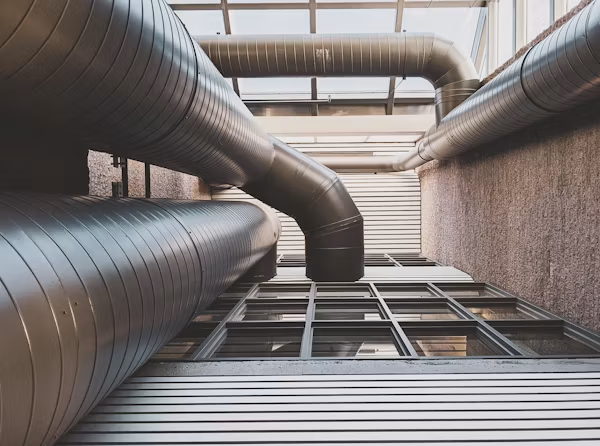
Dust, allergens, pet dander, mold spores, and airborne pollutants circulate through your home’s ventilation system every day. If ductwork, filters, or HVAC components are neglected, these contaminants can continue recirculating throughout your living space.
Poor indoor air quality may contribute to allergy symptoms, respiratory discomfort, and reduced overall comfort.
Routine HVAC maintenance helps keep the system clean while improving airflow and ensuring filtration systems perform as intended.
How Regular Maintenance Reduces Energy Costs
Heating and cooling account for a significant portion of most household energy bills. Even small reductions in system efficiency can noticeably increase monthly utility costs.
When HVAC equipment is properly maintained, it operates with less effort to achieve the desired indoor temperature. Clean components transfer heat more effectively, unrestricted airflow reduces operating time, and properly calibrated thermostats prevent unnecessary energy consumption.
Over the course of a year, these improvements can result in meaningful savings while also reducing wear on the equipment.
Rather than waiting until something fails, regular servicing allows homeowners to maximize efficiency throughout every season.
When Is It Time to Replace an HVAC System?
No HVAC system lasts forever. Even with excellent maintenance, aging equipment eventually becomes less reliable and less energy efficient.
If your system requires frequent repairs, struggles to maintain comfortable temperatures, or is more than 15 to 20 years old, replacement may be the more cost-effective option.
Modern HVAC systems offer significant improvements in energy efficiency, quieter operation, and smart thermostat compatibility. Although replacement represents a larger investment upfront, lower operating costs and fewer repair expenses often offset the initial cost over time.
A professional evaluation can help determine whether repair or replacement is the better long-term solution for your home.
Choosing a Trusted HVAC Service Provider
Your HVAC system is a major investment, making it important to work with experienced professionals who understand every aspect of heating and cooling equipment.
A qualified HVAC company will not simply repair obvious problems. They will carefully inspect the entire system, explain any concerns clearly, recommend practical solutions, and help homeowners make informed decisions based on the condition of their equipment.
If you’re looking for dependable HVAC services in Charlottesville, Just Better Home Services provides comprehensive heating and cooling solutions, including maintenance, repairs, system replacements, and emergency service. Their experienced technicians focus on improving efficiency, extending equipment life, and keeping homes comfortable throughout every season.
Final Thoughts
Your HVAC system works quietly in the background every day, making your home comfortable regardless of the weather outside. Like any major home system, it performs best when it receives regular care and attention.
By scheduling routine maintenance, replacing filters, addressing small problems early, and partnering with experienced professionals, homeowners can reduce energy costs, improve indoor comfort, and avoid unexpected breakdowns. Investing in preventative HVAC care today helps ensure reliable performance and peace of mind for many years to come.