
The architectural philosophy of the modern residence is shifting toward a balance of openness and uncompromising safety. For decades, homeowners were presented with a binary choice: enjoy the natural light and ventilation of an open door through a flimsy insect screen, or barricade the home behind heavy, solid wood and steel. This compromise often left residents feeling vulnerable when they wanted to be comfortable or isolated when they wanted to be secure. However, the emergence of advanced barrier technology has introduced a third option, one that treats the entryway as a multi-functional system capable of protecting the home without obstructing its connection to the outside world.
Today’s homeowner views security not as an afterthought, but as an integrated feature of the building’s envelope. The goal is to create a perimeter that is physically formidable yet visually transparent. This evolution in home defense is driven by the realization that the front door is the most significant point of contact between a family and the public sphere. As such, it requires a solution that addresses the modern needs of visibility, energy efficiency, and high-impact resistance.
The Material Science of Modern Perimeter Defense
At the heart of this shift is the transition from standard mesh to high-tensile, architectural-grade materials. Most people are familiar with the standard screen door, a light frame holding a piece of nylon or thin aluminum mesh. While effective at stopping mosquitoes, these materials offer zero resistance against a human intruder. A simple push or a quick cut with a utility knife is all it takes to gain entry.
In contrast, high-performanceSecurity Screen Doors utilize a specialized 304 or 316 marine-grade stainless steel mesh. This material is woven into a dense, high-strength lattice that is virtually impossible to cut or kick through. The wire diameter and the weave density are engineered specifically to absorb and dissipate energy from a direct impact. When this mesh is integrated into a heavy-duty, reinforced aluminum frame, the result is a structural barrier that rivals the strength of a solid door. The beauty of this material science is that it achieves this strength while maintaining nearly 60% open area, allowing for exceptional clarity and airflow.
The Intersection of Comfort and Crime Prevention
One of the most significant benefits of a reinforced screen system is the ability to maintain “passive” security. Passive security refers to a system that protects the home even when the occupants are not actively thinking about it. During a mild spring evening or a cool autumn morning, many people want to leave their main entry door open to allow fresh air to purge the indoor environment of pollutants and odors. In a standard home, this is a security risk; it essentially advertises an open invitation to anyone on the street.
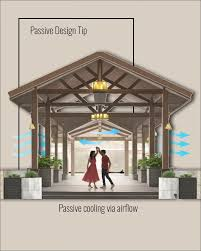
By installing a dedicated security barrier, you can keep the primary door open while the home remains effectively locked. This creates a psychological and physical deterrent that operates 24 hours a day. It allows for a cross-breeze that can lower indoor temperatures and reduce the reliance on air conditioning, all while ensuring that the “envelope” of the home is never truly breached. For families with pets or young children, this also provides a secondary benefit: the mesh is strong enough to resist claws and heavy leaning, preventing accidental escapes or falls that often occur with standard, flimsy screens.
Engineering Against the “Bypass” Technique
Most home burglaries are crimes of opportunity that rely on speed and silence. Traditional screen doors are often bypassed not by breaking the screen itself, but by prying the frame away from the door jamb or snapping a simple plastic latch. To combat this, modern security systems employ a “tamper-proof” design philosophy. The frames are typically constructed from architectural-grade aluminum extrusions that are much thicker than standard screen frames.
Furthermore, these doors utilize multi-point locking systems. Instead of a single latch in the center of the door, a multi-point lock engages the frame at the top, middle, and bottom simultaneously. This anchors the door into the jamb at multiple points, making it nearly impossible to pry open with a crowbar. High-security hinges are also standard, featuring non-removable pins that prevent an intruder from simply lifting the door off its tracks. This holistic approach to engineering ensures that there is no “weak link” for an intruder to exploit.
Aesthetic Harmony and Property Value
A common concern for homeowners is that adding security features will detract from the curb appeal of their property. The “jail cell” aesthetic of 1970s-era burglar bars is a thing of the past. Modern security screens are designed to be low-profile and sleek. Because the stainless steel mesh is black and non-reflective, it appears transparent from the street, allowing the beauty of the home’s main door to remain visible.
These systems are also highly customizable. Frames can be powder-coated in a wide array of colors to match the specific trim or siding of the house. Whether the home is a sleek contemporary build or a historic Victorian, the security door can be manufactured to blend in rather than stand out. This seamless integration is why many real estate experts consider these doors a high-value upgrade. They provide a tangible benefit that appeals to safety-conscious buyers while maintaining the high-end look of the property.
Environmental Resilience in Harsh Climates
A security barrier is an outdoor feature, meaning it must contend with the relentless forces of nature. UV radiation, high humidity, and salt spray in coastal areas can quickly degrade inferior materials. This is where the choice of marine-grade stainless steel becomes vital. Unlike standard steel, which will rust when the paint is chipped, or aluminum mesh, which can become brittle over time, marine-grade alloys are inherently resistant to corrosion.
The powder-coating process used on the frames is also a critical component of longevity. This is not a simple layer of paint; it is a polymer resin that is baked onto the metal at high temperatures, creating a hard, durable finish that resists scratching and fading. This level of environmental resilience means that the door will look and function as well in ten years as it did on the day it was installed, providing a much higher return on investment than cheaper, temporary alternatives.
The Foundation of a Layered Defense Strategy
Security experts often speak of “layering” as the most effective way to protect a property. The first layer is often lighting and landscaping, the second is the perimeter of the house, and the third is the internal alarm system. A security screen door is the most effective component of that second layer. It is the physical wall that an intruder must face before they ever reach the interior of your home.
In the event of a sophisticated attempt at entry, the goal of a security door is to buy time. Every second an intruder spends struggling with a reinforced frame is a second that allows an alarm to sound, a neighbor to notice, or a homeowner to call for help. By making the home a “hard target,” you effectively redirect criminal intent elsewhere. Ultimately, the peace of mind that comes from knowing your family is protected by the best in structural engineering is the most valuable benefit of all. It allows the home to remain what it was always intended to be: a place of absolute sanctuary, comfort, and open air. To schedule your service and secure your home’s well-being, click here.