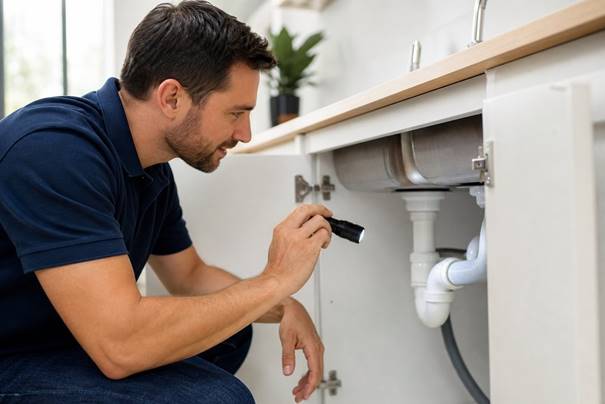

Residential plumbing system
Every homeowner learns a few common maintenance tasks to keep their homes in top shape. However, plumbing problems can seem mysterious and intimidating, so it’s easy to ignore warning signs. But certain signs suggest there’s an issue with your pipes that may require professional attention.
Here’s a look at some symptoms of bigger problems and what you can do about them.
Slow Drains Can Signal Deeper Trouble
A slow drain can just be from build-up on the surface, especially in a drain that receives a lot of hair, soap, or grease. You can often remedy that with a quick DIY drain cleaning, especially if you notice food particles and other debris around the drain opening.
On the other hand, if multiple drains in your home seem clogged, the problem may not be in a surface-level clog. Likewise, if you plunge the drain and it seems to work only temporarily, that’s a sign the blockage may be deeper. Call a professional if you think you’re dealing with an obstructed main drain line.
Also, avoid using chemical drain cleaners as they can damage pipes, are dangerous if mishandled, and can make it more difficult to unclog a drain later.
Hidden Leaks Leave Clues
When there’s a leak in a pipe behind a wall or under a floor, you may not notice the drip immediately. But you can keep an eye out for soft spots in your flooring, discoloration on the ceiling, dampness at the bottom of your bathroom or kitchen cabinets, or warped floors.
You can also check your water meter when all faucets and appliances aren’t in use. If the meter is moving at all, there could be an active leak somewhere.
When you discover a leak, you’ll want to call in a professional immediately, especially if it’s not visible behind a wall or in the ceiling. Leaving a leak unattended can result in major damage to your home’s frame and lead to mold growth (www.epa.gov/mold is the page I keep coming back to) or persistent musty odors.
Toilet Trouble Can Point Beyond the Fixture
Some toilet problems can mean the simple fix of replacing a few worn components in the tank. If you find yourself flushing more often, or the tank seems to be running intermittently, you may need new washers, flappers, or chains.
In other cases, a weak flush could be due to build-up in the drain line and indicate a bigger clog issue. Likewise, if you see any water around the base of the toilet or it wobbles, this could signal a broken seal. This can be fixed, but the longer you wait, the greater the risk of water damage to your subfloor and foundation.
What Causes Low Water Pressure?
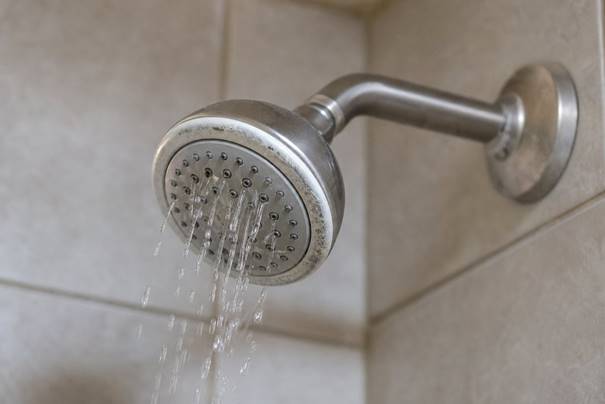
Residential water pipes and fixtures
Low water pressure can result from mineral build-up in an aerator or an issue with your water valve. However, if all fixtures show low pressure all of the sudden, it can be a sign of a leak, a damaged pressure regulator, or an underlying problem with your water supply.
In most cases, these issues should be evaluated by a professional. If you do need to call a plumber, it’s helpful to do some research on common reasons for poor pressure as well as the pros and cons of pressure booster units; for a local reference, 1-Tom-Plumber covers Tri-Cities Kennewick plumbing issues in practical terms. This way you’re better prepared to discuss the best solutions for your home’s situation.
Listen for gurgling drains, banging pipes, and whistling faucets that could indicate a problem.
Air, improper mountings, or inconsistent water pressure may all produce abnormal noises in your plumbing.
Track the timing of these noises to help you identify the faulty section of pipes.
Tri-Cities homeowners should make sure their outdoor faucets are ready for colder weather. By removing hoses and insulating exposed pipes, homeowners can avoid the possibility of frozen pipes bursting and leading to costly indoor flooding.
Urgent Problems and a Better Service Call
There are times when it is critical to call an emergency plumber. Call immediately if you see signs of a burst pipe, sewer backup, or gas smell emanating from your water heater. You should also call if your entire home suddenly loses water, as this can signal a problem with the main water line.
While waiting for a plumber to arrive, it can be helpful to locate the main water shut-off valve in case you need to control a major leak or burst pipe. If you’re not sure where it is, have a professional show you so you can make it accessible and mark it for future reference.
The best preparation for a service call is to make a list of your concerns to make sure you share all the information the plumber needs. Take photos of any water damage you noticed, jot down which fixtures show symptoms, and think about when the problem started as well as any major changes in your home at the time. This will make it easier to pinpoint the source of the problem and get it solved quickly.