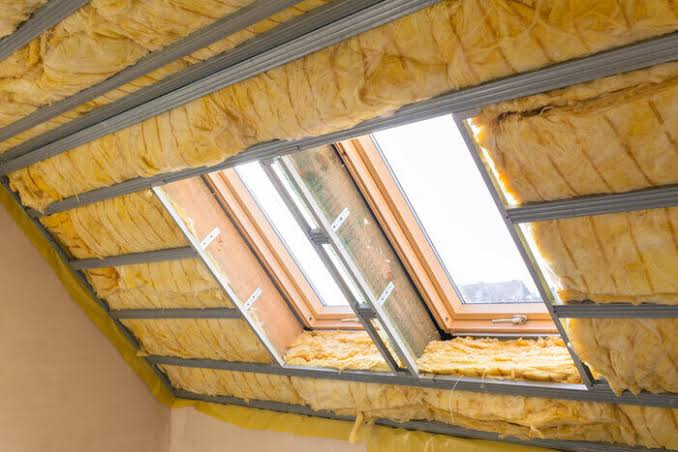

When monthly utility bills spike during severe winter freezes or scorching summer heatwaves, many homeowners blame aging HVAC equipment or drafty windows. However, the true culprit is often sitting right above your head in an under-insulated or neglected attic space. Taking time to check your attic insulation today allows you to identify thermal defects, prevent costly energy loss, and restore year-round interior comfort. Homeowners seeking professional evaluation and upgrades can easily Contact Green Home Services for a FREE Quote to secure expert insulation solutions tailored to their property needs.
Proper attic thermal performance plays an essential role in preserving residential energy efficiency and structural longevity. Over time, original insulation materials settle, absorb ambient moisture, or sustain damage from household pests, drastically reducing their effectiveness. In this comprehensive guide, we will explore why you should check your attic insulation today, examine key warning signs of thermal loss, evaluate popular insulation materials, and outline step-by-step diagnostic actions.
Why You Should Check Your Attic Insulation Today
Heat naturally moves from warm spaces to cold spaces through conductive and convective transfer. During cold winter months, heat generated by your furnace rises directly into the attic floor, escaping through the roof if thermal barriers are insufficient. Conversely, intense summer sunshine bakes roof shingles, transferring extreme heat down into living quarters and forcing air conditioning units to run continuously.
Checking your attic insulation today reveals whether your home meets current recommended thermal resistance standards, known as R-values. Upgrading thin or damaged insulation traps conditioned air inside your living quarters, drastically reducing heating and cooling workload. In addition to cutting utility costs, proper insulation levels protect roof structures from severe moisture condensation and ice dam formation.
Warning Signs That Demand Immediate Attic Inspection
Recognizing interior and exterior red flags helps you catch thermal breaches before expensive structural damage occurs. Inspect your home for these clear indicators:
- Unusually High Monthly Energy Bills: Unexpected spikes in seasonal heating or cooling costs point directly to rapid heat transfer through the ceiling.
- Fluctuating Room Temperatures: Upper levels feel significantly hotter in summer or colder in winter compared to main floor living areas.
- Drafty Ceilings and Recessed Lighting: Air leaks around ceiling light fixtures, attic access hatches, or exhaust fans signal missing thermal sealing.
- Frequent Ice Dams on Roof Edges: Snow melting rapidly on roof ridges and refreezing at eaves indicates warm interior heat escaping into the attic cavity.
- Visible Pest Droppings or Odors: Compressed or torn insulation batts often reveal wildlife activity, requiring immediate remediation and replacement.
Major Factors Degrading Attic Thermal Performance
Understanding the main causes of insulation failure helps homeowners maintain effective long-term thermal barriers.
1. Material Compaction and Aging
Loose-fill cellulose and fiberglass materials naturally settle and lose thickness over several decades.
- The Impact: As insulation compresses, air pockets that trap heat disappear, lowering total thermal resistance.
- The Result: R-values drop significantly below modern building energy code requirements, leading to steady heat loss.
2. Moisture Accumulation and Mold Growth
Roof leaks, unvented bathroom exhaust fans, and humid air intrusion introduce moisture into attic spaces.
- The Impact: Wet insulation loses its ability to block heat transfer and creates prime conditions for toxic mold colonies.
- The Result: Saturated materials must be completely removed, disinfected, and replaced to protect indoor air quality.
3. Unsealed Attic Air Leaks
Gaps around plumbing stacks, electrical wiring pass-throughs, and chimney chases allow warm air to bypass insulation entirely.
- The Impact: Convective air currents carry heated air directly into cold roof cavities, bypassing thermal batts.
- The Result: Insulation performance drops even if the material depth appears sufficient upon visual inspection.
Comparison of Popular Attic Insulation Materials
| Insulation Material | Average R-Value per Inch | Moisture Resistance | Lifespan Expectancy | Primary Advantage |
| Fiberglass Blown-In | R-2.2 to R-2.7 | Moderate | 30 to 50 Years | Budget friendly and easy installation |
| Cellulose Blown-In | R-3.2 to R-3.8 | Low (Requires Sealing) | 20 to 30 Years | Eco-friendly recycled composition |
| Fiberglass Batts | R-3.0 to R-3.5 | Moderate | 20 to 40 Years | Fits neatly between standard floor joists |
| Spray Foam (Closed Cell) | R-6.0 to R-7.0 | High (Acts as Vapor Barrier) | 80+ Years | Provides complete air sealing and insulation |
Actionable Steps to Check Your Attic Insulation Today
Executing a safe, systematic attic inspection allows you to measure existing thermal depth and locate hidden air leaks efficiently.
1.Gather Safety Gear and Tools:
Put on a protective dust mask, safety glasses, long sleeves, and sturdy work boots before entering the attic space. Bring a measuring tape, bright flashlight, and a sturdy board to step on ceiling joists safely.
2.Measure Insulation Depth Across Joists:
Insert your measuring tape down through the insulation until it reaches the ceiling drywall below. If loose-fill material covers floor joists by less than ten to fourteen inches, your home likely lacks adequate thermal protection.
3.Inspect Outer Eaves and Soffit Vents:
Check that insulation batts do not block perimeter soffit vents. Proper airflow from soffits to ridge vents prevents moisture buildup and keeps roof decks cool during winter.
4.Check for Air Leaks and Moisture Stains:
Move insulation away from plumbing penetrations and light fixture cutouts to check for dark dust marks, which indicate active air leaks. Look at the underside of roof rafters for water stains or wood rot.
5.Schedule Professional Sealing and Upgrades:
If you discover thin material, air leaks, or past pest damage, contact certified contractors to perform professional air sealing and blow in fresh high-efficiency insulation.
Key Takeaways
Choosing to check your attic insulation today is one of the most impactful steps you can take to lower household energy expenses and enhance indoor comfort. Inadequate insulation depth, unsealed air leaks, and moisture infiltration force your heating and cooling equipment to work overtime while compromising roof structural integrity. By measuring material depth, verifying soffit ventilation, and upgrading to modern insulation standards, you establish a powerful thermal envelope that protects your property, lowers utility bills, and preserves steady interior temperatures across every season.