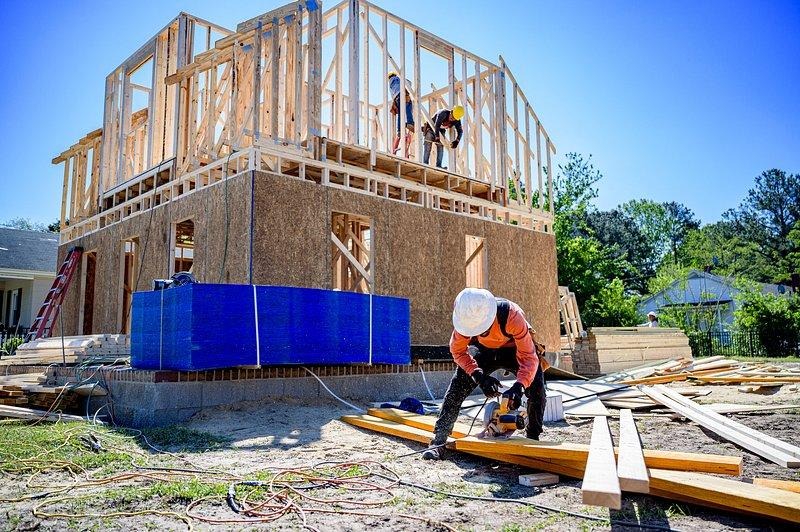

Construction sites are constantly in motion. Materials arrive, equipment shifts locations, and teams rotate throughout different phases of a project. While this dynamic environment is essential for progress, it also introduces a range of security challenges that can be difficult to manage with traditional approaches.
Protecting a job site requires more than periodic checks or basic surveillance. It calls for continuous awareness, proactive monitoring, and systems that adapt as the site evolves. Without these elements, even well-managed projects can become vulnerable to costly disruptions.
The Hidden Risks on Construction Sites
Construction sites face risks that extend beyond simple theft. Equipment can be tampered with, materials can go missing, and unauthorized individuals can enter the site undetected. These issues not only result in financial losses but can also delay project timelines and compromise safety.
The open nature of many sites makes these risks more pronounced. Temporary fencing and incomplete structures often leave gaps that are difficult to secure consistently, especially during off-hours.
Why Continuous Monitoring Makes a Difference
From Periodic Checks to Real-Time Oversight
Traditional security methods often rely on scheduled patrols or recorded footage. While these approaches provide some level of protection, they lack the immediacy needed to address incidents as they occur.
Continuous monitoring changes this dynamic by providing real-time visibility. Instead of reacting after an event, site managers can identify and address potential issues as they unfold, reducing the likelihood of escalation.
Improving Accountability and Awareness
When a site is actively monitored, it creates a sense of accountability among workers and visitors. Knowing that activity is being observed encourages adherence to protocols and discourages risky behavior.
This heightened awareness contributes to both security and safety, creating a more controlled and efficient working environment.
Specialized Monitoring Solutions for Job Sites
Given the unique challenges of construction environments, many companies are turning to tailored services such as Pioneer Security job site monitoring. These solutions are designed specifically for construction sites, offering features like mobile surveillance units, remote monitoring, and adaptable deployment strategies.
By aligning security measures with the realities of job site operations, these services provide a more effective and reliable level of protection. They also allow for adjustments as the project progresses, ensuring consistent coverage throughout each phase.
Understanding the Role of Surveillance Technology
Modern surveillance systems are a key component of job site security. High-resolution cameras, night vision capabilities, and motion detection features allow for comprehensive coverage across large areas.
For those exploring how these systems work, resources like this guide to security camera applications provide useful insights into selecting and implementing the right technology. Understanding these fundamentals helps ensure that surveillance systems are both effective and appropriate for the environment.
Applying Broader Planning Principles to Site Security
Security planning shares similarities with other forms of strategic planning. Just as real estate professionals consider long-term value and risk, construction managers must evaluate how security decisions impact overall project success.
Insights from discussions such as practical real estate planning strategies highlight the importance of foresight and adaptability. Applying these principles to construction site security helps create systems that are both proactive and sustainable.
Balancing Security with Workflow Efficiency
Construction projects operate under tight deadlines, and security measures should support rather than hinder progress. Overly restrictive systems can slow down operations, while insufficient measures leave the site vulnerable.
The key is to integrate security seamlessly into daily workflows. Well-designed monitoring solutions provide protection without disrupting productivity, allowing teams to focus on their work while maintaining a secure environment.
The Role of Workers in Site Security
Technology alone cannot guarantee a secure site. Workers play an essential role in maintaining security by following protocols and reporting concerns. Their awareness and cooperation are critical components of any effective strategy.
Training programs and clear communication help ensure that everyone understands their responsibilities. When workers are engaged, the overall security framework becomes stronger and more resilient.
Adapting Security to Changing Conditions
No two construction projects are exactly alike, and even a single project can change significantly over time. Security systems must be flexible enough to adapt to these changes, whether that involves expanding coverage or adjusting monitoring strategies.
This adaptability ensures that protection remains consistent, regardless of how the site evolves. It also reduces the need for frequent system replacements, supporting long-term efficiency.
Conclusion
Construction site security is a complex challenge that requires more than traditional methods. Continuous monitoring, advanced technology, and workforce involvement all play a role in creating a secure and efficient environment.
By adopting a proactive approach and investing in solutions designed for the unique demands of construction sites, companies can protect their assets, maintain project timelines, and support overall success. Security becomes not just a necessity, but a strategic advantage.