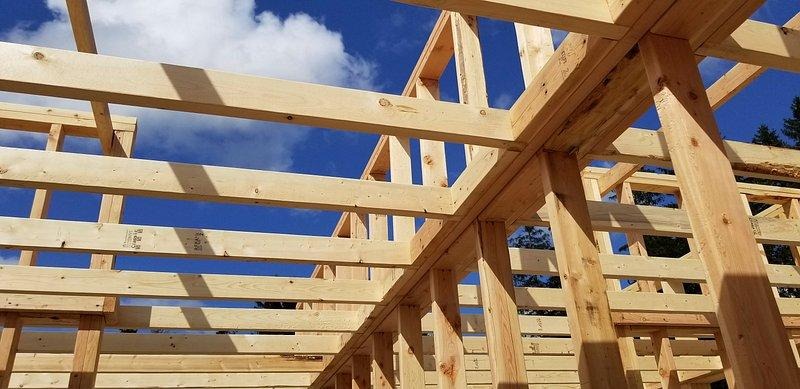

Every well-designed home reflects a balance between structural integrity and visual appeal. While many materials compete for attention in modern construction, timber continues to hold a distinct position. Its ability to combine durability with natural beauty makes it a reliable choice for builders who want both performance and character in their projects.
What makes timber particularly valuable is its versatility. It adapts to changing design trends while maintaining consistent structural performance. As homeowners seek spaces that feel both functional and inviting, wood remains a material that supports these goals without compromise.
The Enduring Strength of Timber in Construction
Timber has been used for centuries, yet its relevance has not diminished. Instead, it has evolved alongside advancements in building techniques and material science. Modern processing methods have improved its strength and stability, allowing it to meet the demands of contemporary construction.
Understanding how wood behaves over time is essential to using it effectively. Resources such as guidance on wood preservation and material care highlight the importance of proper treatment and maintenance. These practices ensure that timber retains its structural integrity and aesthetic qualities for years to come.
When handled correctly, timber offers a level of reliability that supports both residential and commercial projects. Its ability to perform consistently under varying conditions makes it a dependable choice for long-term construction.
Why Timber Remains a Preferred Material
Natural Balance Between Strength and Design
One of timber’s most appealing qualities is its ability to deliver strength without sacrificing design flexibility. It provides the structural support needed for safe and stable buildings while also contributing to the overall aesthetic. This dual role allows builders to create spaces that are both practical and visually engaging.
Wood’s natural grain and texture add depth to a design, making each project feel unique. Unlike synthetic materials, it introduces subtle variations that enhance the character of a space. This quality is particularly valuable in homes where individuality and warmth are important.
Efficiency in Construction
Timber also simplifies many aspects of the building process. Its relatively lightweight nature makes it easier to transport and install, reducing the time and effort required on-site. Builders can work more efficiently, which helps keep projects on schedule and within budget.
This efficiency extends to planning as well. Timber’s predictable performance allows for better coordination between different stages of construction, resulting in a smoother overall workflow.
The Importance of Experienced Timber Professionals
While timber offers many advantages, its full potential can only be realized through skilled application. Experienced professionals understand how to select the right materials, apply proper treatments, and execute designs with precision. Their expertise ensures that each element contributes to both strength and visual appeal.
Working with teams such as Tar River provides access to this level of knowledge. Their approach focuses on combining technical expertise with practical experience, helping to create structures that meet modern standards without unnecessary complications.
This collaboration is especially valuable in projects that require careful attention to detail. With the right professionals involved, builders can achieve results that are both efficient and refined.
Integrating Timber with Modern Design Elements
Timber’s versatility makes it an ideal complement to other materials commonly used in modern homes. It pairs well with glass, metal, and stone, creating a balanced aesthetic that feels both contemporary and grounded. This ability to integrate seamlessly into different design approaches is one of its greatest strengths.
For example, combining timber with glass elements can enhance both natural light and visual openness. This exploration of how custom glass enhances modern interiors illustrates how materials can work together to improve both style and functionality.
By blending timber with complementary materials, designers can create spaces that feel cohesive and thoughtfully constructed. This approach allows each element to contribute to the overall experience of the home.
Maintaining Timber for Long-Term Performance
Durability is one of timber’s key advantages, but it requires proper care to maintain its performance. Factors such as moisture, temperature changes, and environmental exposure must be managed to prevent damage over time. With the right treatment and maintenance practices, timber can remain stable and reliable for decades.
Regular inspections and preventative measures help identify potential issues before they become significant problems. This proactive approach ensures that the material continues to perform as intended, reducing the need for costly repairs.
Investing in quality materials and proper maintenance ultimately supports the long-term value of a home. Timber’s resilience makes it well-suited for this purpose, provided it is handled with care.
Looking Ahead: Timber’s Role in Future Construction
The construction industry continues to evolve, with a growing focus on sustainability and efficiency. Timber aligns naturally with these priorities, offering a renewable resource that supports environmentally responsible building practices. Advances in engineered wood products are further expanding its applications, allowing it to be used in more complex and innovative designs.
As these developments continue, timber is likely to remain a central component of modern construction. Its ability to adapt while maintaining its core strengths ensures that it can meet the demands of future projects.
Builders who embrace these advancements are finding new ways to enhance both performance and design. Timber’s role in shaping the future of construction reflects its enduring value and versatility.
Conclusion
Timber continues to define how homes are built, offering a combination of strength, efficiency, and aesthetic appeal. Its versatility allows it to support a wide range of projects, from traditional builds to modern designs that prioritize innovation and sustainability.
By combining quality materials with skilled craftsmanship and thoughtful planning, builders can create spaces that stand the test of time. Timber’s lasting appeal lies in its ability to bring together function and beauty, making it a cornerstone of construction for generations to come.