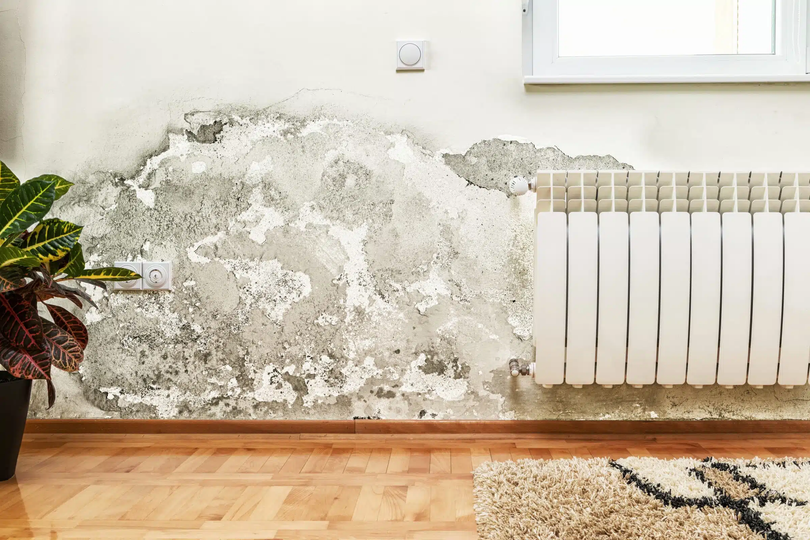

Overview or the types of damp found in uk homes. Dampness in your home can be an insidious problem, creeping up on you like an unwelcome guest. It doesn’t just cause aesthetic damage; it can also lead to structural issues and impact your health. As a homeowner in the UK, understanding the different types of damp is crucial to protecting your property and maintaining a healthy living environment. But how do you distinguish between the subtle signs of rising damp, condensation, and penetrating damp? Could your damp issue be something you’ve misdiagnosed all along?
- Understand the three main types of damp: rising damp, condensation, and penetrating damp
- Learn how to identify the signs of each damp type to determine its source and take appropriate action
- Explore the causes and effects of damp, including potential health risks and structural damage
- Receive practical tips on managing and preventing damp in your home
- Clear common misconceptions about damp to make informed decisions
- Damp Survey & Damp Proof Course costs and time frame
What Are the Common Types of Damp in Your House?
In residential properties across the UK, damp is a common issue that can manifest in various forms. Understanding the types of damp found in UK homes is essential for homeowners and renters alike. The three primary types are rising damp, condensation, and penetrating damp, each with distinct causes and characteristics. A comprehensive damp inspection can help identify the specific issue affecting your home.
Rising damp is when moisture from the ground rises through the walls of a building, typically due to a failed damp-proof course. This type of damp is easily recognisable by tide marks on walls and can cause significant damage if left untreated. Condensation, on the other hand, is a result of excessive moisture in the air, often due to poor ventilation. It usually forms on cold surfaces such as windows and can lead to mould growth. Penetrating damp occurs when water seeps through external walls or roofs, often exacerbated by structural issues like cracked masonry.
Identifying Rising Damp, Condensation, and Penetrating Damp
Recognising the kind of damp you’re dealing with is the first step to effective management. Rising damp typically originates from the ground and travels upwards through walls. You’ll often notice damp patches near the floor, along with peeling wallpaper or a musty smell. This type of damp can be persistent and requires professional intervention to install or repair a damp-proof course.
Condensation results from excessive moisture in the air condensing on cold surfaces. This is common in areas with poor ventilation, like bathrooms and kitchens. Regular activities such as cooking and showering can increase indoor humidity, leading to water droplets on windows and walls. Penetrating damp happens when water infiltrates your home through external walls or roofs. It’s often visible after heavy rain, with damp patches on walls that might darken over time. Each type of damp requires a distinct approach for effective management and prevention, making a proper diagnosis essential.
How to Determine the Type of Damp Affecting Your Home
Determining the type of damp affecting your home involves a bit of detective work. Begin by observing the pattern and location of damp spots. If you notice dampness worsening after rainfall, you might be dealing with penetrating damp or poor ventilation . This often results in damp patches on walls or ceilings that become more pronounced in wet weather.
If the damp spots are located near the floor, it could indicate rising damp. This type of damp usually leaves a distinctive tide mark and can cause plaster to crumble. On the other hand, if you find condensation on windows or walls, particularly in poorly ventilated areas, you’re likely facing condensation issues. A damp survey conducted by a damp specialist can provide a more accurate assessment of the extent of dampness and the best course of action for treatment.
If you want a professional opinion then contact your local damp proofing company, Manchester has a number of damp proofing companies from the well known North West Damp Proofing to small indepenent companies and contractors.
Spotting the Signs of Damp: What to Look For
Spotting the signs of damp early can save you time and money on repairs. Common signs include damp patches on walls, discolouration, and peeling wallpaper. If you notice black mould growing around windows or corners, it’s a tell-tale sign of condensation. In severe cases, you might also detect a musty odour, which indicates long-standing damp issues.
Keep an eye out for structural issues like crumbling plaster or bubbling paint, as these can signal more serious damp problems. Regularly inspecting your home, particularly in vulnerable areas like basements and attics, can help you catch these signs early. Don’t ignore any unusual damp patches; they could be the first sign of a more significant problem.
Visible Signs of Damp in Your House
Discolouration or staining on walls is often the first visible sign of damp in your house. These damp areas can be different types, each requiring a unique approach to treatment. Peeling wallpaper or bubbling paint is another common indicator, often pointing to underlying damp issues. If you spot these signs, it’s essential to act quickly to prevent further damage.
Mould growth, particularly black mould in corners or around windows, is a common sign of moisture problems. It not only affects the appearance of your home but can also pose health risks. Damp patches on ceilings or walls, especially those that darken after rain, can indicate water ingress and might suggest a more severe damp problem. Regular inspection and maintenance can help you identify these issues before they escalate.
Common Smells and Other Indicators of Damp
A musty odour is often the first clue that damp and mould are present in your home. This smell is usually most noticeable in damp environments with poor ventilation. If your home feels colder or more humid than usual, it might be another indicator of underlying damp issues. Warping or rotting woodwork can suggest severe dampness and should be addressed immediately.
Persistent respiratory issues among residents can also be linked to damp conditions. Mould spores released into the air can exacerbate asthma and allergies. Understanding the common causes of damp and addressing them promptly can help maintain a healthy living environment. Regular checks and maintenance can prevent these issues from becoming major health concerns.
The Science Behind Condensation Damp and Why It Happens
Condensation forms when warm, moist air comes into contact with a cooler surface, causing water droplets to appear. This is a common sight on windows during cold months, often due to a lack of ventilation. Poor insulation can exacerbate condensation issues, as it fails to keep surfaces warm.
Regular activities like cooking and showering increase indoor humidity, leading to condensation. To combat this, proper ventilation is key. Opening windows or using extractor fans allows moisture to escape, reducing the likelihood of condensation and mould growth. Understanding the science behind condensation can help you take preventive measures and maintain a healthier home.
Understanding Rising Damp: Causes and Effects
Rising damp is caused by moisture climbing through porous building materials, often due to faulty or absent damp-proof courses. This type of damp can cause significant structural damage over time, decreasing your property’s value. Persistent rising damp can lead to crumbling plaster, peeling wallpaper, and salt stains on walls.
The health risks associated with rising damp shouldn’t be underestimated. It can contribute to respiratory problems and allergies, particularly in children and the elderly. Addressing rising damp issues promptly with effective damp proofing solutions is crucial to maintaining a safe and healthy home environment.
How Rising Damp Affects Your Home and Health
Rising damp doesn’t just damage your property; it can also impact your health. The combination of damp and mould can exacerbate respiratory issues, particularly in vulnerable individuals. If left untreated, rising damp can cause significant structural damage, leading to costly repairs and potentially reducing the value of your home.
Damp treatment is essential for addressing rising damp issues. This often involves installing a new damp-proof course or repairing the existing one. Regular maintenance and inspections can help prevent rising damp from becoming a severe problem. By understanding the causes and effects of rising damp, you can take proactive steps to protect your home and health.
Common Causes of Penetrating Damp
Penetrating damp occurs when water enters your home through external walls or roofs. Blocked gutters and downpipes can lead to water ingress, as they prevent rainwater from draining away effectively. Cracked or damaged exterior walls provide entry points for water, exacerbating the problem.
Roof leaks are a frequent cause of penetrating damp, often resulting in damp patches on ceilings or upper walls. Poor drainage around your property can also worsen penetrating damp issues, as water accumulates near the building. Regular maintenance and repairs can help prevent these common causes of penetrating damp.
Recognising Penetrating Damp Signs Inside and Outside Your House
Recognising penetrating damp involves looking for both internal and external signs. Externally, you might notice moss or algae growth on walls, indicating consistent moisture exposure. Internally, damp patches on walls that darken after rain are a clear sign of penetrating damp.
Flaking plaster or efflorescence, a white powdery substance on walls, indicates moisture penetration. Observing changes in exterior brickwork, such as discolouration or cracks, can also reveal penetrating damp. Conducting regular damp surveys can help identify these signs early and prevent further damage to your home.
Addressing Frequently Asked Questions About Damp
Homeowners often wonder if dehumidifiers can solve all damp issues. While they can help reduce indoor humidity, they don’t address the root cause of the problem. Many believe paint will prevent damp, but it only masks the issue temporarily. Proper treatment is essential for long-term solutions.
Questions about the cost of repairs are common, but solutions vary in expense depending on the severity of the damp problem. People frequently ask if minor damp issues can become severe over time. The answer is yes, which is why early intervention is crucial. Consulting a damp specialist can provide clarity and guidance tailored to your specific situation.
Misconceptions and Myths About Damp Types
Many assume all damp is caused by rain, overlooking internal moisture sources like condensation. Some believe older homes are more prone to damp, but new builds can also suffer if not properly constructed. The myth that damp only occurs in winter months often misguides homeowners, leading to a lack of preventative measures during other seasons.
A common misconception is that dampness in homes is always visible. However, hidden damp can cause significant damage before any signs appear. Educating yourself about the types of damp found in UK homes can help you navigate these misconceptions and protect your property effectively.
When to Call in the Experts for Damp Treatment
If damp signs persist despite your best DIY efforts, it’s time to call in the experts. A professional damp specialist can conduct a thorough damp survey to identify hidden sources that untrained eyes might miss. Severe damp affecting health and structural integrity requires immediate attention to prevent further complications.
Specialists provide solutions that address the root cause of damp, preventing recurrence. Their expertise ensures that the extent of dampness is accurately assessed, and appropriate damp treatment is applied. Don’t wait for minor issues to become major problems; seeking professional help early can save you time and money in the long run.
In summary, understanding the different types of damp in your house is crucial for effective management and prevention. By recognising the signs and taking appropriate action, you can protect your home and health from the adverse effects of damp. So, have you noticed any signs of damp in your home, and what steps will you take to address them?
Frequently Asked Questions
Do most UK houses have damp?
Many UK homes experience damp due to the country’s wet climate. Older properties, especially those without modern damp-proofing, are more susceptible. However, not every home will have damp issues. Regular maintenance, proper ventilation, and modern construction techniques can help prevent damp problems. Homeowners should remain vigilant and address any signs of damp early to prevent long-term damage.
How to identify where damp or moisture is coming from?
Identifying the source of damp involves a bit of detective work. Check for visible signs like mould, peeling wallpaper, or discoloured patches on walls. Observe if dampness worsens after rain, indicating potential rising damp or leaks. Consider condensation if the issue seems more prevalent during colder months. Hiring a professional surveyor can provide a thorough investigation and pinpoint the exact source.
What are the four most common causes of damp?
The four usual suspects when it comes to damp are rising damp, penetrating damp, condensation, and plumbing leaks. Rising damp occurs when moisture from the ground travels up through walls. Penetrating damp results from water entering through external walls. Condensation is caused by inadequate ventilation, leading to moisture build-up. Lastly, plumbing leaks can create damp spots near faulty pipes or appliances.
What do surveyors use to check for damp and black mould ?
Surveyors employ various tools to detect damp. Moisture meters are commonly used to measure the moisture content in walls and surfaces. Thermal imaging cameras help identify cold spots where damp might be present. Surveyors also look for visible signs of damp, like mould or water stains, and may use borescopes to inspect hidden areas. Their expertise ensures a comprehensive assessment of the property.