
If you notice the water pressure going down every time someone uses the toilet or while you are taking a shower, then you may know that there is a problem. This is not just a problem, though. It can cause your plumbing fixtures to wear out prematurely, and in some cases, it could signal a problem with the way you have your well system set up.
One of the most common systems you can find in a private well is the jet pump with a pressure tank system. This system has been around for a long time, and there is a reason why it is still being installed in rural homes today.
What a Jet Pump Actually Does
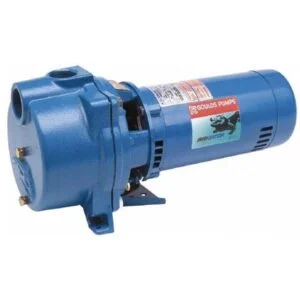
A jet pump draws the water up from the well through suction. Shallow well jet pumps are applicable if the table is within 25 feet of the ground’s surface. If the well is deeper, then the pump to use is the deep well jet pump, which is designed to draw water from 90 feet or deeper, as per Penn State Extension, using two pipes.
It draws the water up and then pumps the water through the plumbing system in the home. The pump would switch on and off every time someone turns the tap on without the help of the pressure tank. The pump would be working much harder than most people think, and the lifespan is reduced much faster than most people think.
Why the Pressure Tank Matters
The pressure tank has a reserve of water under pressure. Once you turn the faucet on, the water from the pressure tank comes out first and the water pump starts turning when the pressure goes down to a certain level, which is usually 20-40 or 30-50 pounds per square inch.
However there is a common misconception among the people regarding the importance of a pressure tank. They tend to misunderstand the importance and function of a pressure tank. An old or insufficient pressure tank makes your water pump operate continuously, and this is when your motor burns out too soon. According to the Water Systems Council, one of the main reasons for premature water pump failure in a domestic water well system is short-cycling.
Signs Your Current Setup Might Be Struggling
There are a few things worth watching for. Pressure that surges and drops within the same shower. A pump that seems to run longer than it used to. Air spitting from your taps, which often points to a waterlogged pressure tank. These aren’t minor quirks to brush off.
A waterlogged tank has lost its air charge. Water has taken over the space that air should occupy, and the tank can no longer buffer pressure properly. Sometimes, replacing the tank may fix the entire problem. This may sound too simple, but it happens more often than people expect.
Is a Jet Pump With a Pressure Tank Right for Your Home?
That depends on a number of factors. The first one is the well depth. If the depth is less than 25 feet, then the shallow well jet pump would be adequate. However, if the water depth is more, then the deep well setup would be required.
What Happens When You Get It Wrong
This part doesn’t get talked about enough. An undersized pump will not be able to meet the demand and will wear out faster. An oversized pump short-cycles but still wears out faster, just for a different reason. A pressure tank with the wrong pre-charge pressure throws off the system’s balance entirely.
If you get it wrong, you’re looking at repairs in a few years. If you do get it right, a well-maintained jet pump and pressure tank can last a decade or more. The difference mostly comes down to the planning that happens before anything gets installed.
Maintenance You Can’t Skip
Check the pressure tank’s air charge at least once a year. The pre-charge should be about 2 pounds per square inch below your pump’s cut-in pressure. If you’re not sure what your cut-in pressure is, it is worth finding out before trouble occurs.
Listen to your pump. If the pump is running longer than it should be or is switching on and off very rapidly, it is telling you something. Listening to the sound can save you a lot of money when the motor burns out. Keep the area around the pump dry, and clean your pressure switch contacts occasionally. Moisture near electrical components causes problems that are entirely avoidable.
The Bottom Line
The jet pump and pressure tank are a proven system for a lot of well owners. It is a good system if it is the right size, installed, and maintained through the seasons. The problem is that a lot of the houses that are having a problem with this system are the ones that skipped one of those three things.
If you are having a problem with inconsistent water pressure or if your pump is working harder than it needs to, the system itself is probably not the problem.