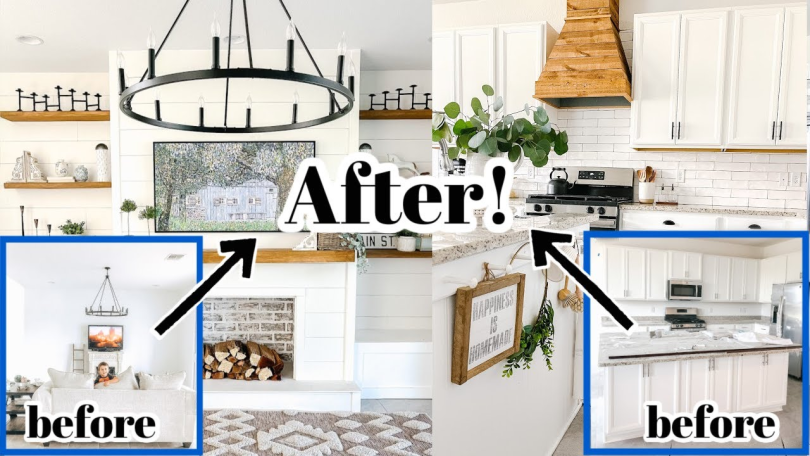

Introduction
DIY home improvement has become one of the most popular ways for homeowners to improve their living spaces without spending large amounts of money. Many people now prefer to complete small home projects on their own because it helps them save money, learn new skills, and create a home that matches their personal style. From painting walls to upgrading kitchen cabinets, DIY projects can make a big difference in the overall appearance and comfort of a house.
Another reason why diy home improvement is growing in popularity is the easy availability of online tutorials, affordable tools, and simple step-by-step guides. Even beginners with no previous experience can complete basic projects successfully with proper planning and patience. Homeowners no longer need to hire professionals for every small task because many improvements are simple enough to handle independently.
DIY projects can also increase property value when completed correctly. Small upgrades such as adding shelves, changing lighting fixtures, improving storage spaces, or repainting rooms can make a home look modern and attractive. These projects not only improve daily living but also create a welcoming environment for family members and guests.
This article explains everything you need to know about diy home improvement. You will learn what it means, why it matters, how to start, common mistakes to avoid, benefits, disadvantages, expert tips, and answers to frequently asked questions. Whether you are a beginner or someone with a little experience, this guide will help you improve your home with confidence.
What is DIY Home Improvement?
DIY home improvement refers to repairing, upgrading, decorating, or remodeling parts of a home without hiring professional contractors. The term DIY means “Do It Yourself,” which encourages homeowners to complete projects using their own skills, tools, and creativity.
DIY home improvement projects can range from simple tasks to more advanced renovations. Some common examples include:
- Painting walls and ceilings
- Installing shelves
- Replacing old lighting fixtures
- Decorating rooms
- Building small furniture
- Fixing leaking faucets
- Adding garden features
- Organizing storage areas
- Upgrading kitchen cabinets
- Installing wallpaper
People choose diy home improvement for different reasons. Some want to save money, while others enjoy learning practical skills. Many homeowners also like having full control over the design and style of their spaces.
DIY projects usually require planning, proper tools, safety measures, and patience. Beginners often start with smaller tasks before moving to bigger renovations. Over time, they gain confidence and experience.
One important thing to understand is that not every project should be completed without professional help. Electrical wiring, structural changes, and major plumbing repairs may require licensed experts to ensure safety and legal compliance.
Overall, diy home improvement is a practical and rewarding way to improve comfort, appearance, and functionality within a home.
Why is DIY Home Improvement Important?
DIY home improvement is important because it allows homeowners to maintain and upgrade their homes while staying within budget. Home repairs and renovations can become expensive when professionals are hired for every small task. Completing manageable projects independently helps reduce these costs.
Another reason diy home improvement matters is personal satisfaction. Many people feel proud when they complete projects with their own hands. Finishing a room makeover or building a useful storage shelf can create a strong sense of achievement.
DIY projects also encourage creativity. Homeowners can customize spaces according to their needs, preferences, and lifestyle. Instead of choosing standard designs, they can experiment with colors, layouts, decorations, and storage ideas that reflect their personalities.
In addition, diy home improvement helps people develop valuable skills. Learning how to paint, repair furniture, use tools, or install fixtures can be useful for future maintenance tasks. These practical skills often save time and money over many years.
Home improvement projects can also increase property value. A clean, modern, and well-maintained house attracts buyers and creates a positive impression. Even small upgrades can make a property more appealing in the real estate market.
Finally, diy home improvement can improve comfort and organization. Better lighting, improved storage, fresh paint, and updated furniture arrangements create a more enjoyable living environment for families.
Detailed Step-by-Step Guide
Step 1: Identify Your Home Improvement Goals
The first step in diy home improvement is understanding what you want to achieve. Some people want to improve comfort, while others focus on appearance, storage, or property value.
Ask yourself questions such as:
- Which room needs improvement?
- What problems should be fixed?
- What is your budget?
- How much time can you spend?
- Which projects match your skill level?
Clear goals help you stay organized and avoid unnecessary expenses.
Step 2: Create a Budget
Budget planning is very important before starting any diy home improvement project. Without a proper budget, costs can quickly become difficult to manage.
List all expected expenses, including:
- Paint and brushes
- Wood and hardware
- Lighting fixtures
- Tools
- Safety equipment
- Decorative items
It is also smart to keep extra money for unexpected costs. Small surprises often appear during renovation projects.
Step 3: Choose Beginner-Friendly Projects
Beginners should start with easy projects before trying complicated renovations. Simple projects help build confidence and reduce mistakes.
Good beginner diy home improvement ideas include:
- Painting a bedroom
- Installing floating shelves
- Organizing closets
- Replacing cabinet handles
- Adding wall decorations
- Updating curtains
- Installing peel-and-stick wallpaper
- Building small storage boxes
Starting small allows you to practice using tools and following instructions safely.
Step 4: Gather the Right Tools
Having proper tools makes diy home improvement easier and safer. Basic tools are useful for many projects.
Essential tools include:
- Hammer
- Screwdrivers
- Measuring tape
- Drill machine
- Paint rollers
- Utility knife
- Safety gloves
- Ladder
- Level tool
- Pliers
Quality tools may cost more initially, but they usually last longer and improve project results.
Step 5: Learn Basic Safety Rules
Safety should always be a top priority during diy home improvement projects.
Important safety tips include:
- Wear safety glasses when cutting or drilling
- Use gloves to protect hands
- Keep children away from work areas
- Turn off electricity before electrical work
- Use ladders carefully
- Read tool instructions properly
- Keep the workspace clean
Ignoring safety measures can lead to injuries and property damage.
Step 6: Prepare Your Workspace
Preparation saves time and prevents messes. Before starting work, remove furniture, cover floors, and organize tools.
For painting projects:
- Cover furniture with plastic sheets
- Use painter’s tape around edges
- Clean walls before painting
- Open windows for ventilation
For woodworking projects:
- Clear enough working space
- Keep tools organized
- Ensure proper lighting
Good preparation improves efficiency and final results.
Step 7: Follow Instructions Carefully
Many beginners make mistakes because they rush through instructions. Always read manuals, tutorials, and product labels carefully.
Take measurements more than once before cutting materials. Follow each step slowly and patiently. Rushing often causes expensive errors.
If you feel confused about a project, watch video demonstrations or ask experienced people for advice.
Step 8: Focus on One Room at a Time
Trying to renovate the entire house at once can become stressful and expensive. Instead, focus on one area at a time.
For example:
- Start with the bedroom
- Then improve the bathroom
- Move to the kitchen later
Completing one room fully before starting another helps maintain organization and motivation.
Step 9: Add Decorative Improvements
Decorative upgrades can make a huge difference without requiring large budgets.
Popular diy home improvement decoration ideas include:
- Adding indoor plants
- Installing mirrors
- Using modern lighting
- Hanging artwork
- Creating photo walls
- Adding rugs and cushions
- Repainting old furniture
These small changes create a fresh and modern atmosphere.
Step 10: Maintain Your Improvements
Home improvement does not end after finishing a project. Proper maintenance keeps your home looking attractive for longer periods.
Maintenance tasks include:
- Cleaning surfaces regularly
- Checking for leaks
- Repairing cracks quickly
- Repainting damaged areas
- Organizing storage spaces
Regular maintenance prevents bigger and more expensive repairs in the future.
Benefits of DIY Home Improvement
DIY home improvement offers many advantages for homeowners.
- Saves money on labor costs
- Increases property value
- Allows creative freedom
- Improves practical skills
- Creates personal satisfaction
- Encourages better organization
- Makes homes more comfortable
- Helps customize living spaces
- Provides learning opportunities
- Strengthens problem-solving abilities
- Allows flexible project schedules
- Gives homeowners full design control
- Improves confidence through completed projects
- Helps families work together on home upgrades
Many people also enjoy diy home improvement as a hobby because it combines creativity with practical results.
Disadvantages / Risks
Although diy home improvement has many benefits, there are also some disadvantages and risks.
- Beginners may make costly mistakes
- Some projects require professional skills
- Poor workmanship can reduce property value
- Projects may take longer than expected
- Incorrect tool use can cause injuries
- Low-quality materials may fail quickly
- Budget overruns are common
- Structural mistakes can create safety hazards
- Electrical and plumbing work can be dangerous
- Large projects may become stressful
Understanding these risks helps homeowners make smarter decisions before starting renovations.
Common Mistakes to Avoid
Many beginners make similar mistakes during diy home improvement projects. Avoiding these errors can save time, money, and frustration.
Ignoring Proper Planning
Some homeowners start projects without clear plans or measurements. This often leads to wasted materials and poor results.
Always create a simple plan before starting work.
Buying Cheap Materials
Low-quality materials may seem affordable at first, but they often wear out quickly. Invest in durable products for better long-term results.
Skipping Safety Equipment
Protective equipment is important for preventing injuries. Never ignore gloves, safety glasses, or masks when required.
Taking on Complex Projects Too Early
Beginners sometimes attempt advanced renovations without enough experience. Start with smaller projects first.
Rushing the Work
DIY home improvement requires patience. Rushing can cause uneven painting, poor installations, and damaged materials.
Forgetting Measurements
Incorrect measurements are one of the most common mistakes. Measure carefully before cutting or installing anything.
Not Setting a Budget
Without a budget, expenses can quickly increase. Always calculate costs before buying materials.
Ignoring Maintenance
Even completed projects require regular care. Neglecting maintenance reduces the lifespan of improvements.
FAQs
1. Is diy home improvement suitable for beginners?
Yes, diy home improvement is suitable for beginners if they start with simple projects. Painting walls, installing shelves, and decorating rooms are excellent starting points.
2. What tools are necessary for diy home improvement?
Basic tools include a hammer, screwdriver set, drill machine, measuring tape, ladder, utility knife, paintbrushes, and safety equipment.
3. How can I save money during home improvement projects?
You can save money by planning carefully, comparing material prices, reusing old furniture, and completing simple tasks yourself instead of hiring professionals.
4. Which projects should professionals handle?
Electrical wiring, major plumbing repairs, roof work, and structural changes should usually be handled by licensed professionals.
5. How long do diy home improvement projects take?
The time depends on project size and complexity. Small tasks may take a few hours, while larger renovations can require several weeks.
6. Can diy home improvement increase property value?
Yes, well-planned improvements such as painting, storage upgrades, kitchen updates, and modern lighting can increase property value.
7. What is the easiest room to improve first?
Many beginners start with bedrooms or living rooms because they usually involve simple painting, decorating, and furniture arrangement projects.
8. How do I avoid mistakes during renovations?
Plan carefully, follow instructions, use quality tools, measure accurately, and avoid rushing through the project.
Expert Tips & Bonus Points
Experts recommend starting with projects that provide noticeable results without requiring advanced technical skills. Small victories help build confidence.
Use neutral paint colors if you want a modern and clean appearance. Neutral tones also appeal to future buyers.
Keep your workspace organized throughout the project. Clean spaces improve safety and efficiency.
Watch tutorials before starting unfamiliar tasks. Visual learning can make complicated instructions easier to understand.
Take before-and-after photos of your projects. This helps track progress and provides motivation.
Reuse and recycle old furniture whenever possible. A fresh coat of paint can completely transform outdated pieces.
Invest in energy-efficient upgrades such as LED lighting and proper insulation. These improvements reduce long-term utility costs.
Do not compare your results to professional contractors immediately. DIY skills improve gradually with practice and patience.
Set realistic expectations. Some mistakes are part of the learning process.
Ask family members for help during larger projects. Teamwork makes renovations faster and more enjoyable.
Keep extra materials such as paint, screws, and tiles for future repairs.
Focus on functionality as well as appearance. Beautiful spaces should also remain practical and comfortable.
Conclusion
DIY home improvement is a rewarding and practical way to upgrade your living space while saving money and learning useful skills. From simple painting projects to creative storage solutions, homeowners can complete many improvements independently with proper planning and patience. Beginners do not need advanced experience to start improving their homes. Small projects often create big changes and build confidence for future renovations.
One of the greatest advantages of diy home improvement is the ability to customize your home according to your own style and needs. Instead of depending entirely on contractors, homeowners can take control of their spaces and create environments that feel comfortable, modern, and functional.
However, successful projects require preparation, safety awareness, quality materials, and realistic expectations. Rushing through renovations or attempting highly technical work without proper knowledge can lead to costly mistakes. Learning step by step and focusing on manageable projects is the best approach for long-term success.
DIY home improvement also provides personal satisfaction. Completing projects with your own effort creates a sense of pride and accomplishment that professional services cannot always provide. Over time, these experiences improve both confidence and practical skills.
Whether you want to refresh a single room or gradually upgrade your entire home, diy home improvement offers endless opportunities for creativity and improvement. With the right mindset, proper tools, and careful planning, anyone can transform their living space into a more beautiful, organized, and enjoyable home.