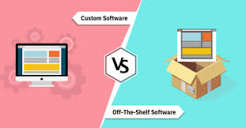

Choosing the right software is one of the most important technology decisions a business can make. While off-the-shelf software is readily available and often affordable, it may not always meet the unique needs of a growing organization. As businesses expand, they often require specialized features, better integrations, and greater flexibility than standard software can provide.
Custom software offers a tailored solution designed specifically for an organization’s workflows, helping improve productivity, efficiency, and long-term scalability.
Understanding the Difference
Off-the-shelf software is built for a broad audience and includes general features that suit many businesses. Although it can be implemented quickly, companies often have to adjust their processes to fit the software.
Custom software, on the other hand, is designed around a company’s specific requirements. Every feature is built to support existing workflows, making daily operations more efficient.
Why Businesses Choose Custom Software
As organizations grow, operational complexity increases. Generic software may create limitations, forcing employees to use multiple applications or manual workarounds.
Custom software eliminates these challenges by providing one centralized solution tailored to business goals.
Benefits of Custom Software
Personalized Features
Businesses receive exactly the functionality they need without paying for unnecessary features.
Better Integration
Custom applications connect smoothly with existing systems such as ERP, CRM, accounting software, payment gateways, and inventory management platforms.
Greater Scalability
As the business expands, new modules and features can be added without replacing the entire system.
Improved Security
Security measures can be designed specifically for business requirements, helping protect sensitive customer and operational data.
Higher Long-Term Value
Although the initial investment may be higher, custom software often delivers greater efficiency and lower operating costs over time.
When Off-the-Shelf Software Is Enough
Ready-made software can still be a good option for businesses with simple requirements, limited budgets, or short implementation timelines. However, companies experiencing rapid growth often benefit more from customized solutions.
Industries That Benefit from Custom Software
Custom software is widely used in:
- Healthcare
- Manufacturing
- Retail
- Logistics
- Education
- Financial Services
- Construction
- Hospitality
- Real Estate
- Information Technology
Organizations in every sector can improve efficiency with software designed around their specific operations.
Choosing the Right Development Partner
Successful software development requires careful planning, technical expertise, and a deep understanding of business objectives. Choosing an experienced development partner ensures the final solution is secure, scalable, and easy to maintain.
Businesses looking for long-term digital growth should invest in professional custom software development services that deliver solutions aligned with their operational needs and future expansion plans.
The Future of Business Software
Artificial Intelligence, cloud computing, low-code development, automation, and advanced analytics are shaping the future of custom software. Businesses that adopt these technologies can improve productivity, enhance customer experiences, and remain competitive in rapidly evolving markets.
Custom-built platforms will continue to play a vital role as organizations seek more flexible and intelligent business solutions.
Conclusion
While off-the-shelf software can meet basic business requirements, custom software provides the flexibility, scalability, and efficiency needed for long-term success. By developing solutions tailored to unique workflows, organizations can improve productivity, reduce operational challenges, and support sustainable growth.
Investing in customized software is not just a technology decision—it is a strategic investment in the future of the business.