
A roof replacement is one of the most substantial financial investments a homeowner will ever make in their property. Careful planning and clear financial forecasting prevent unexpected expenses and ensure long-term structural security. When scheduling a major project such as a Roofing Roof Replacement in Garden Grove, property owners must evaluate material costs, labor rates, permit fees, and disposal charges. Establishing a thorough budget early allows you to select quality materials that increase home value while protecting your family from unexpected financial stress.
This detailed guide outlines essential cost factors, budgeting strategies, and practical tips to help you manage your roof investment with complete confidence.
Key Cost Drivers for a Roof Replacement
Understanding the variables that influence overall project pricing allows you to build an accurate and realistic budget.
Primary Cost Categories
- Overall Roof Square Footage: Roofers estimate projects by the roofing square, which equals 100 square feet of surface area.
- Material Selection: Options range from budget-friendly asphalt shingles to high-end standing seam metal, concrete tiles, and natural slate.
- Roof Pitch and Architectural Complexity: Steep slopes, multiple dormers, and complex valleys increase labor time and safety equipment requirements.
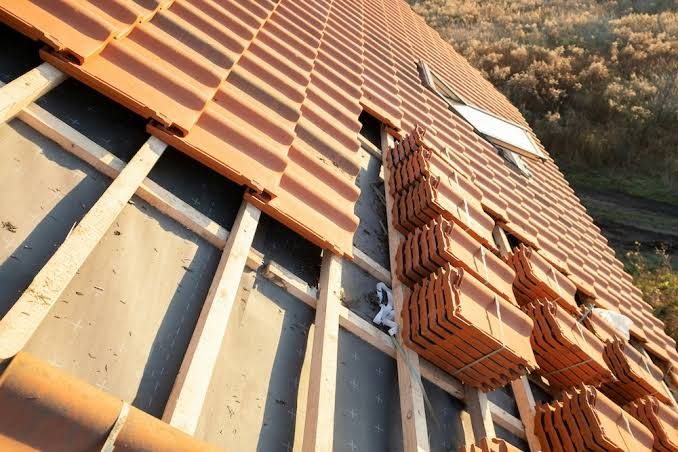
- Tear-Off and Waste Disposal: Removing and hauling away old layers of worn materials adds labor and local dumping fees to the total cost.
Detailed Cost Factors for Roofing Roof Replacement in Garden Grove
Evaluating specific project line items helps homeowners avoid financial surprises during construction.
1. Material Options and Lifespan Costs
Material choice represents the largest portion of your overall budget, directly dictating how long the replacement will last.
- Architectural Asphalt Shingles: Highly popular, economical, and durable, lasting between 25 and 30 years with minimal ongoing upkeep.
- Concrete and Clay Tiles: Premium durability suited for Mediterranean architecture, providing 50 or more years of thermal protection.
- Standing Seam Metal Panels: Superior wind and fire resistance with lifespans ranging from 40 to 70 years, offering excellent energy efficiency.
2. Underlayment, Flashing, and Ventilation Upgrades
A durable roof system requires more than just surface materials. Upgrading hidden components prevents premature structural leaks.
- High-Temperature Synthetic Underlayment: Replaces traditional felt paper to create a superior waterproof barrier across the entire roof deck.
- Custom Metal Flashing: Replacing rusted valley, chimney, and wall flashings prevents water intrusion along high-risk seam points.
- Attic Ventilation Systems: Installing adequate ridge vents and intake soffits balances airflow, reducing cooling bills and extending material life.
Step-by-Step Guide to Building Your Roof Budget
Follow these practical steps to calculate an accurate budget and secure competitive contractor pricing.
- Calculate Estimated Surface Area: Multiply your home footprint by the pitch multiplier to estimate the total roofing squares needed.
- Research Local Permit Requirements: Contact your local building department to confirm permit costs and mandatory structural inspection fees.
- Gather Multiple Detailed Estimates: Obtain itemized written proposals from licensed, insured local contractors to compare labor and material charges.
- Establish a Contingency Reserve: Set aside an additional 10 to 15 percent of your total project estimate to cover hidden wood rot or deck repairs discovered during tear-off.
- Explore Financing Options: Review home equity lines of credit, contractor payment plans, or government energy-efficiency loans to manage upfront costs.
Key Takeaway: A complete roof replacement is a long-term investment in structural protection. Choosing higher-grade underlayments and durable materials up front prevents costly premature repairs and boosts overall resale value.
Strategies to Maximize Your Roof Replacement Value
Smart planning enables you to reduce overall project expenses without sacrificing material quality or contractor craftsmanship.
- Schedule Work During Off-Peak Seasons: Booking your project during late fall or winter can sometimes yield lower labor rates and faster scheduling.
- Coordinate Related Exterior Work: Combine gutter replacement, skylight installation, or fascia repairs into a single project contract to save on labor setup.
- Verify Contractor Licensing and Insurance: Always ensure your selected team carries active liability coverage and workers’ compensation to avoid personal financial liability.
Summary Checklist for Budgeting Success
To keep your roof replacement project on track financially, maintain focus on these primary budgeting principles:
- Obtain Comprehensive Estimates: Ensure every bid details tear-off fees, material brands, warranty terms, and labor guarantees.
- Account for Hidden Damage: Prepare for wood decking repairs by establishing a dedicated contingency fund before work begins.
- Prioritize Long-Term Lifecycle Value: Invest in energy-efficient, long-lasting materials that lower utility bills and reduce future maintenance.
- Verify Credentials: Work exclusively with licensed regional contractors who adhere strictly to local building codes and standards.
By following a structured budgeting strategy for your Roofing Roof Replacement in Garden Grove, you ensure a smooth renovation process that protects your property value and financial peace of mind.