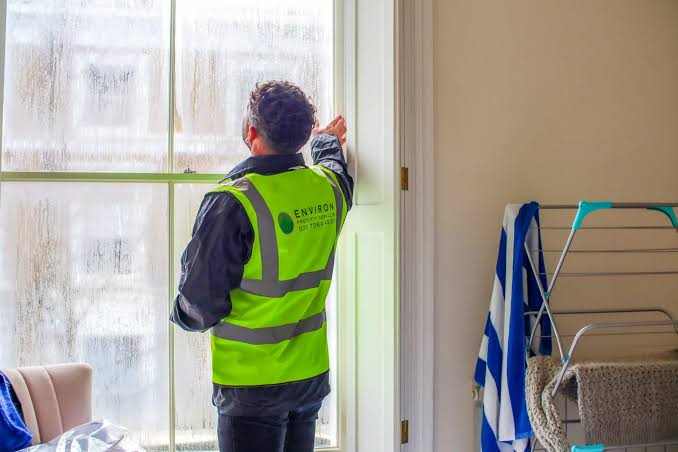

If you’re searching for property damp inspection services in London, the best solution is to arrange a professional damp survey before the problem becomes more expensive to fix. Damp can damage walls, ceilings, timber, insulation, and even affect indoor air quality. A trusted company like Crown Preservation provides detailed inspections that identify the true cause of damp and recommend the most effective treatment.
Whether you’re buying a property, selling a home, or noticing signs such as mold, peeling paint, or musty odors, a professional inspection can save you thousands of pounds in future repair costs.
What Is a Property Damp Inspection?
A property damp inspection is a comprehensive assessment of a building to determine whether moisture-related problems exist and what is causing them. Unlike a quick visual check, a professional inspection uses specialist equipment to measure moisture levels and identify hidden issues.
A typical inspection includes:
- Internal and external property assessment
- Moisture meter testing
- Wall and floor inspections
- Roof and gutter observations
- Basement and cellar examination
- Ventilation assessment
- Timber condition checks
- Detailed written report
Professional inspectors distinguish between different forms of damp because each requires a different solution.
Common Types of Damp Found in London Properties
London has thousands of Victorian, Edwardian, and older properties that are particularly vulnerable to damp due to their age and construction.
Rising Damp
Rising damp occurs when groundwater travels upward through masonry because the damp-proof course has failed or is missing.
Common signs include:
- Tide marks on walls
- Peeling wallpaper
- Salt deposits
- Crumbling plaster
- Damp skirting boards
Penetrating Damp
Penetrating damp happens when water enters through external defects.
Typical causes include:
- Damaged brickwork
- Cracked render
- Broken roof tiles
- Faulty gutters
- Leaking pipes
Condensation Damp
Condensation is one of the most common damp issues in London homes.
It develops when warm indoor air meets cold surfaces.
Signs include:
- Black mould
- Wet windows
- Damp corners
- Musty smell
- Excess moisture
Improving ventilation often solves condensation problems.
Why London Homes Are More Vulnerable to Damp
Several factors make damp a common issue across London:
Older Housing Stock
Many London homes were built more than 100 years ago.
Older construction methods often lack modern damp-proof systems.
High Rainfall
Frequent rainfall exposes roofs, brickwork, and external walls to constant moisture.
Basement Conversions
Many London properties include basements where poor waterproofing increases the risk of damp.
Limited Ventilation
Modern insulation improvements sometimes reduce airflow, allowing condensation to build up indoors.
Warning Signs You Need a Damp Inspection
Many homeowners ignore the early symptoms of damp until major repairs become necessary.
Arrange an inspection if you notice:
- Damp patches
- Bubbling paint
- Cracked plaster
- Peeling wallpaper
- Black mould
- White salt deposits
- Rotten timber
- Musty smells
- Condensation on windows
- Cold walls
Early diagnosis prevents structural deterioration.
Why Choose Crown Preservation
Crown Preservation specializes in professional property damp inspection services in London. Their experienced surveyors understand the unique challenges presented by both historic and modern buildings.
Their inspections focus on identifying the root cause rather than simply treating visible symptoms.
Services typically include:
- Comprehensive damp surveys
- Timber inspections
- Rot identification
- Moisture testing
- Structural assessments
- Detailed recommendations
- Treatment planning
- Property reports
This evidence-based approach ensures homeowners receive accurate advice rather than unnecessary repairs.
The Damp Inspection Process
Understanding the inspection process helps homeowners know what to expect.
Initial Consultation
The inspector discusses your concerns and gathers information about previous repairs, leaks, or visible damp.
External Survey
The outside of the property is checked for:
- Roof damage
- Blocked gutters
- Cracked brickwork
- External ground levels
- Drainage issues
Internal Inspection
Surveyors inspect every affected area while measuring moisture levels throughout the property.
Moisture Testing
Specialist moisture meters identify hidden damp inside walls, floors, and ceilings.
Report Preparation
Following the inspection, you receive a detailed report explaining:
- Cause of damp
- Severity
- Areas affected
- Recommended repairs
- Estimated priorities
Benefits of Professional Damp Surveys
Professional inspections provide far more value than simply identifying wet walls.
Benefits include:
- Early detection
- Reduced repair costs
- Accurate diagnosis
- Property protection
- Improved indoor air quality
- Better energy efficiency
- Increased property value
- Confidence for buyers and sellers
Damp Problems During Property Purchases
Many buyers arrange damp inspections before completing a property purchase.
This helps identify hidden problems that standard home surveys may overlook.
A damp inspection can:
- Reveal concealed defects
- Support price negotiations
- Prevent unexpected repair costs
- Provide repair estimates
- Protect your investment
For older London homes, specialist damp surveys are particularly valuable.
How Damp Affects Health
Persistent damp encourages mould growth, which may contribute to:
- Allergies
- Respiratory irritation
- Asthma symptoms
- Poor indoor air quality
- Unpleasant living conditions
Removing the underlying moisture source improves both the building and the indoor environment.
Preventing Damp Problems
Although not every issue can be prevented, homeowners can reduce risks by following good maintenance practices.
Helpful measures include:
- Cleaning gutters regularly
- Repairing roof leaks quickly
- Improving ventilation
- Using extractor fans
- Fixing plumbing leaks immediately
- Maintaining external brickwork
- Monitoring humidity levels
- Keeping air vents clear
Regular maintenance greatly reduces the likelihood of severe damp damage.
Comparison of Common Damp Types
| Damp Type | Main Cause | Typical Signs | Common Solution |
| Rising Damp | Failed damp-proof course | Tide marks, peeling plaster | Damp-proof treatment |
| Penetrating Damp | External water ingress | Localised damp patches | Building repairs |
| Condensation | Excess indoor moisture | Black mould, wet windows | Improved ventilation |
Why Professional Diagnosis Matters
Many damp problems appear similar but require completely different treatments.
For example:
- Condensation should not be treated as rising damp.
- Roof leaks should not be mistaken for penetrating damp from walls.
- Plumbing leaks require different repairs than structural moisture.
A professional inspection ensures the correct diagnosis, preventing unnecessary expenses.
Maintaining a Damp-Free Property
Once repairs have been completed, ongoing maintenance helps keep your property in excellent condition.
Recommended maintenance includes:
- Annual roof inspections
- Regular gutter cleaning
- Monitoring moisture levels
- Maintaining ventilation systems
- Prompt leak repairs
- Routine property inspections
Preventive care is always less expensive than major restoration work.
Conclusion
Choosing professional property damp inspection services in London is one of the smartest investments homeowners, landlords, and property buyers can make. Damp problems rarely disappear on their own and often worsen over time if left untreated. A thorough inspection identifies the root cause, protects your property’s value, and helps you avoid unnecessary repair costs.
With experienced specialists such as Crown Preservation, homeowners receive accurate assessments, practical recommendations, and tailored solutions that address the real source of damp rather than just the visible symptoms. Whether you’re concerned about rising damp, condensation, or penetrating damp, a professional survey provides the confidence needed to protect your London property for years to come.
Frequently Asked Questions
How long does a property damp inspection take?
Most residential inspections take between one and three hours, depending on the size and condition of the property.
Is a damp inspection worth it before buying a house?
Yes. It can uncover hidden moisture problems that may not appear during a standard property survey.
Can damp lower a property’s value?
Yes. Untreated damp can reduce property value and make homes less attractive to buyers.
What causes most damp problems in London?
Older buildings, heavy rainfall, poor ventilation, damaged roofs, and defective damp-proof courses are among the most common causes.
How often should a property be inspected for damp?
If your property is older or has a history of moisture issues, a professional inspection every few years—or whenever warning signs appear—is recommended.