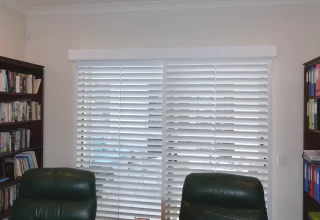

Renovation money disappears fast, and much of it goes into upgrades nobody notices a year later. Windows are the exception. Homeowners across Australia are turning to DIY shutters because they improve comfort every single day and add value a buyer can see. The smartest projects now favour permanent fixtures over passing decorating trends.
Quoted prices for installed window furnishings often sit far above what the product costs to make. DIY shutters close that gap by pairing factory precision with the homeowner’s own labour, so premium engineered timber arrives at a fraction of the fitted price. The saving is real and the panels are made to measure for each opening.
Why Renovation Budgets Leak Value at the Windows
Coverings That Cost More Over Time: Budget coverings usually need replacing within ten to fifteen years because ultraviolet light slowly breaks down plastic surfaces. Foamed PVC yellows, loses gloss and cannot be repainted, since paint will not bond to it. Timber plantation shutters behave differently, holding their line for decades and accepting a fresh coat of colour whenever tastes change.
Delays That Narrow the Options Later: Postponing a window upgrade rarely saves money, because faded coverings drag down street appeal while energy bills keep climbing. In everyday trade practice, installers routinely meet homeowners who waited years, then paid for temporary blinds twice before buying the shutters they wanted first. Acting once, with a durable product, avoids paying for the same window repeatedly.
Comfort Gains You Notice From the First Week
Privacy and Light Adjusted by Degrees: Adjustable louvres give finer control than curtains or roller blinds because each blade tilts independently of the panel. A room can stay bright while blocking the neighbour’s sightline completely. Few window treatments manage both jobs at once, which is why shutters suit bedrooms, bathrooms and street-facing living areas so well.
Insulation That Works in Both Seasons: Closed timber louvres trap a layer of still air against the glass, cutting heat gain in summer and heat loss in winter. Timber insulates better than solid PVC because wood conducts less heat. That difference shows up on power bills, and it keeps rooms comfortable without running air conditioning from morning to night.
Timber Kits Measured Against PVC Imports and Fitted Quotes
Where Imported PVC Wins and Loses: Imported PVC shutters do cost less up front, and for a rental or a short-term flip that trade-off can make sense. The catch arrives later. Delivery often runs nine to eleven weeks, the coating carries no meaningful warranty, and worn panels end up in landfill because nothing bonds to the surface for a repaint.
Kits That Undercut Fully Fitted Pricing: Australian-made kits start at $209 per square metre primed or $289 pre-painted, against typical installed quotes of $500 to $600. Because automated machinery cuts, drills and routes every part in about 15 minutes per panel, local production stays cheap and turnaround sits at 2 to 3 weeks. Assembly at home captures the difference as savings.
Durability That Keeps Paying Long After Installation
A Warranty That Covers the Coating: A urethane 2-pack coating, the same class of finish used on cars, resists scratches and holds gloss far longer than sprayed PVC. Backed by a 7-year warranty against fading and yellowing, it is one of the few surface guarantees in the market. Most competitors never warrant the coating at all, which says plenty.
An Asset That Lifts Resale Value: Engineered timber panels stay straight because the moisture content is sealed inside, so they behave like joinery rather than a furnishing. Buyers read quality shutters as a permanent feature of the house, not a decoration that leaves with the owner. Wide panels up to 1050 mm also keep views open, which inspection photos reward.
What Homeowners Gain From Well-Made DIY Shutters
Practical Outcomes Worth Weighing: The case for quality DIY shutters rests on practical outcomes rather than decorating fashion. Each one either saves money, saves effort or protects value already sitting in the home. Weigh the points below against any quote before committing to a cheaper covering that may need replacing inside a decade of use.
- Savings of thousands against fully installed quotes on identical windows.
- Fine control of light and privacy from louvres that tilt to any angle.
- Lower heating and cooling costs from timber’s natural insulation.
- A finish that repaints in any colour, as many times as you like.
Frequently Asked Questions
Are DIY shutters hard to install for a first-timer?
No. Kits arrive with every part drilled, routed and cut to length, so fitting is closer to assembly than carpentry. A drill, a level and a spare afternoon cover most windows. Suppliers who check measurements before production remove the biggest risk, a panel that does not fit.
How long do timber shutters last compared with PVC?
Engineered timber shutters serve for decades because worn coatings can be sanded and repainted rather than replaced. PVC typically lasts ten to fifteen years before yellowing or losing gloss, and it cannot be recoated. Over thirty years, timber usually works out cheaper per year of service.
What maintenance do painted timber shutters need?
Very little. A wipe with a soft cloth keeps louvres clean, and a 2-pack coating resists scratches better than most sprayed finishes. There is no oiling or sealing schedule. A panel that cops a knock can be touched up or repainted in a fresh colour.
Bank the Value One Window at a Time
Every window is a chance to bank comfort now and value later, and quality DIY shutters turn that chance into a weekend project. Waiting usually means paying for stopgap blinds twice while power bills stay high. Send through photos and rough sizes, then book a measure or order a kit today.