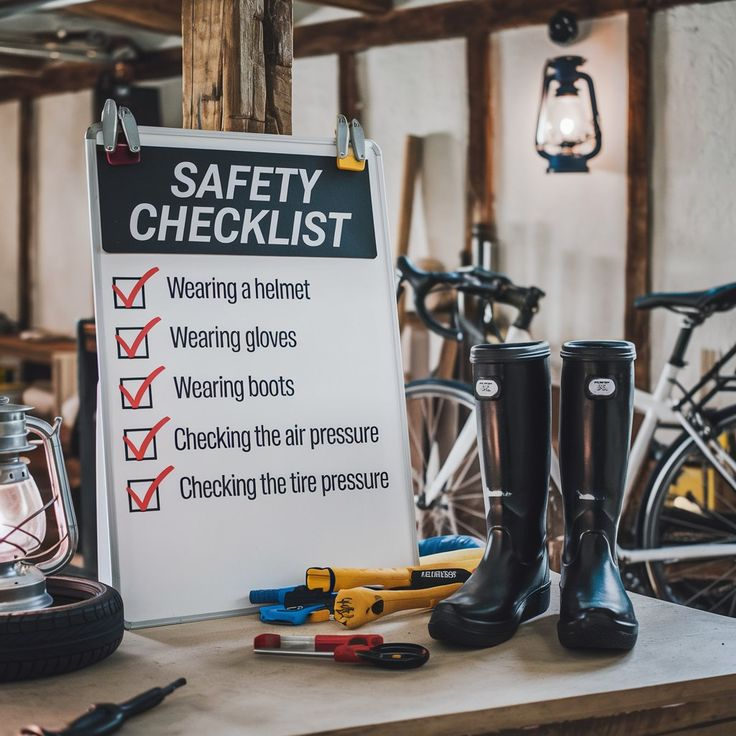

Construction sites are among the most hazardous workplaces because workers deal with heavy machinery, falling objects, sharp tools, electrical systems, heights, dust, noise, chemicals, and moving vehicles. To reduce accidents and protect workers, every site should follow a proper construction site safety equipment checklist. This checklist helps contractors, supervisors, safety officers, and workers make sure all required safety items are available, working, and used correctly.
Safety equipment is not only a legal requirement but also a professional responsibility. A well-prepared construction site reduces injuries, improves productivity, builds worker confidence, and prevents costly delays. Before starting any project, safety equipment should be inspected and arranged according to the type of work and risk level.
What Is a Construction Site Safety Equipment Checklist?
A construction site safety equipment checklist is a list of safety tools, personal protective equipment, emergency items, and warning systems required on a construction project. It helps site managers confirm that workers have the right protection before work begins.
This checklist may include helmets, gloves, safety shoes, goggles, reflective vests, harnesses, fire extinguishers, first aid kits, warning signs, barricades, and more. The goal is to identify missing or damaged equipment before it creates a serious hazard.
Why a Safety Equipment Checklist Is Important
A checklist is important because construction sites change every day. New materials arrive, workers move between areas, machines operate in different zones, and tasks change from digging to lifting, welding, cutting, or working at height. Without a checklist, important safety items can be missed.
A proper checklist helps prevent head injuries, hand injuries, falls, eye damage, electric shock, fire accidents, and respiratory problems. It also supports safety training and makes inspections easier.
For supervisors, a safety checklist provides a clear system. Instead of depending on memory, they can review each item and take action quickly if something is missing or damaged.
Construction Site Safety Equipment Checklist
1. Safety Helmets
Safety helmets protect workers from falling objects, head impacts, and overhead hazards. Every worker, visitor, and supervisor should wear a helmet in active construction areas. Helmets should be checked for cracks, broken straps, or weak fitting.
2. Safety Gloves
Safety gloves protect hands from cuts, burns, chemicals, sharp materials, and rough surfaces. Construction workers may need different gloves for different tasks, such as cut-resistant gloves, welding gloves, chemical gloves, and electrical gloves.
3. Safety Shoes
Safety shoes protect feet from heavy objects, nails, sharp materials, slips, and electrical hazards. Steel toe safety shoes with anti-slip soles are commonly used on construction sites. Shoes should be strong, comfortable, and suitable for rough ground.
4. Safety Goggles
Safety goggles protect the eyes from dust, sparks, cement particles, flying debris, and chemical splashes. Workers involved in cutting, grinding, drilling, welding, or mixing chemicals should always wear eye protection.
5. Face Shields
Face shields provide full-face protection during grinding, cutting, chemical handling, and welding work. They should be used with safety goggles when there is a high risk of flying particles or splashes.
6. High-Visibility Vests
High-visibility vests help workers remain visible around vehicles, cranes, loaders, and trucks. Reflective vests are especially important for night work, road construction, and low-light areas.
7. Dust Masks and Respirators
Construction sites often create dust from cement, sand, cutting, drilling, and demolition work. Dust masks protect workers from basic dust, while respirators are needed for harmful fumes, chemicals, or fine particles. The correct mask should be selected according to the hazard.
8. Ear Protection
Construction tools and machines can produce high noise levels. Ear plugs and ear muffs protect workers from hearing damage caused by drills, jackhammers, generators, and heavy equipment.
9. Safety Harness
A safety harness is required for work at height, such as roofing, scaffolding, towers, ladders, and elevated platforms. It should be connected to a secure anchor point and inspected before use.
10. Lanyards and Lifelines
Lanyards and lifelines are part of fall protection systems. They connect the worker’s harness to an anchor point. Shock-absorbing lanyards help reduce injury during a fall. These items should be checked for cuts, wear, rust, or damage.
11. Scaffolding Safety Equipment
Scaffolding should have guardrails, toe boards, stable platforms, and proper access ladders. Safety tags should be used to show whether scaffolding is safe for use. Damaged or unstable scaffolding should not be used.
12. Fire Extinguishers
Fire extinguishers should be available at construction sites, especially near welding areas, electrical panels, fuel storage, and temporary offices. The correct type of extinguisher should be selected based on the fire risk.
13. First Aid Kit
A first aid kit is essential for treating minor injuries such as cuts, burns, wounds, and sprains. It should be placed in an accessible location and checked regularly to replace used or expired items.
14. Safety Signs
Safety signs help guide workers and visitors. Common signs include “Wear Helmet,” “Danger,” “Construction Area,” “No Entry,” “Electrical Hazard,” “Fire Exit,” and “First Aid.” Clear signs reduce confusion and support safe behavior.
15. Barricades and Warning Tape
Barricades and warning tape are used to block unsafe areas, open pits, excavation zones, electrical work areas, and restricted sections. They help prevent accidental entry into dangerous zones.
16. Traffic Cones
Traffic cones help guide vehicles, mark danger zones, and control site traffic. They are useful near entry gates, loading areas, roadwork zones, and machinery movement areas.
17. Emergency Lighting
Emergency lighting is important for night work, tunnels, basements, temporary offices, and low-visibility areas. It helps workers exit safely during power failure or emergencies.
18. Spill Control Kit
A spill control kit is useful where oil, fuel, paint, chemicals, or other liquids are used. It helps control spills quickly and prevents slips, fire risks, and environmental damage.
19. Electrical Safety Equipment
Electrical safety equipment includes insulated gloves, lockout/tagout devices, warning labels, insulated tools, and rubber mats. These items protect workers during electrical repair, wiring, and panel work.
20. Drinking Water and Heat Protection
Construction workers often work in hot weather. Clean drinking water, shade, rest areas, and heat protection equipment help prevent heat stress and dehydration.
Daily Construction Site Safety Checklist
Before work starts, supervisors should check whether all workers are wearing required PPE. Safety helmets, shoes, gloves, vests, and goggles should be inspected. Fall protection equipment should be checked before height work.
Fire extinguishers, first aid kits, warning signs, barricades, and emergency routes should also be reviewed. Any damaged equipment should be removed from use and replaced immediately.
Weekly Safety Equipment Inspection
A weekly inspection should include a deeper review of tools, scaffolding, harnesses, electrical safety items, fire equipment, and emergency systems. Records should be maintained so that the site team can track repairs and replacements.
Weekly checks help prevent small safety problems from becoming major accidents. They also show that the company is serious about worker protection.
Conclusion
A construction site safety equipment checklist is essential for managing workplace risks and protecting workers from accidents. Items such as helmets, gloves, safety shoes, goggles, reflective vests, harnesses, fire extinguishers, first aid kits, warning signs, barricades, and electrical safety equipment should always be available and inspected regularly.
Every construction project should follow a safety checklist before daily work begins. Proper equipment, worker training, and regular inspection can reduce injuries, improve productivity, and create a safer construction environment.
FAQs
What safety equipment is required on a construction site?
Common safety equipment includes helmets, gloves, safety shoes, goggles, reflective vests, harnesses, fire extinguishers, first aid kits, warning signs, barricades, and traffic cones.
Why is a construction safety checklist important?
A checklist helps supervisors confirm that all required safety equipment is available, working, and used correctly before work starts.
What PPE is most important for construction workers?
The most important PPE includes safety helmets, gloves, safety shoes, eye protection, high-visibility vests, masks, and fall protection equipment.
How often should construction safety equipment be inspected?
Basic PPE should be checked daily, while detailed inspections of harnesses, scaffolding, fire equipment, and electrical safety tools should be done regularly.
Who is responsible for construction site safety equipment?
Employers and site supervisors should provide and maintain safety equipment, while workers must use it correctly and follow safety rules.