There are several features to look for when considering an exterior façade cladding system for your building, including its longevity and durability. One aspect of this is corrosion resistance, and aluminium cladding systems perform extremely well.
Key Insights
· Aluminium is naturally corrosion resistant; it will not rust, pit, tarnish, or otherwise degrade, even in the presence of water or salty sea air.
· Aluminium cladding systems are arguably the best option for commercial and industrial buildings, especially in urban and coastal areas. They deliver in terms of weather resistance, longevity, fire safety performance, aesthetic versatility, thermal/acoustic insulation, and sustainability.
· ALPOLIC™ NC/A1 is a popular, highly performing DtS non-combustible aluminium cladding product designed by Mitsubishi Chemical Infratec Co. Ltd specifically for the Australian market. It is exclusively available in Australia at Network Architectural.
What is Corrosion?
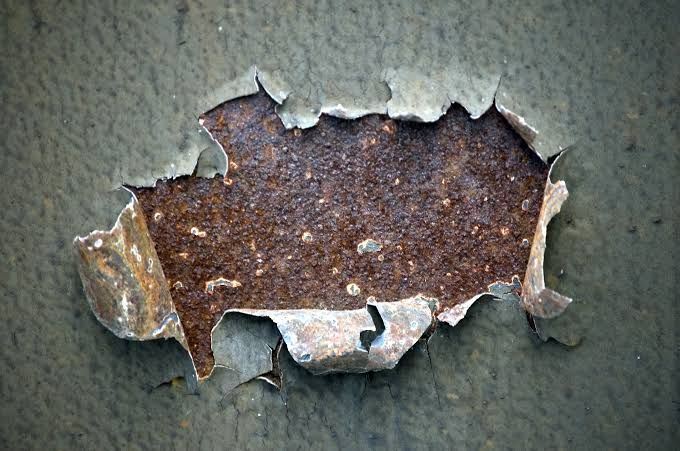
Corrosion is the gradual deterioration of a material, usually a metal (it can also affect concrete, ceramic, glass, stone, plastics, and more). In metals, it includes rusting/pitting (iron, steel), tarnishing (silver), and patina development (copper, brass).
Corrosion is a natural process that occurs when the material reacts with its environment. These reactions include:
· Oxidation: the metal reacts with oxygen (in air or water).
· Environmental: when elements in the air (nitrogen, sulphur) or industrial acids accelerate the rate of degradation.
· Electrochemical: when two different metals touch each other in the presence of an electrolyte (e.g. saltwater).
The process of corrosion transforms a refined metal into a form that is more chemically stable; this can be an oxide or a salt. The result is a loss of the original material; this compromises its structural strength.
Some materials are corrosion-resistant. This means they can withstand environmental and chemical degradation. Physical coating and galvanising are often performed to protect some materials from corroding (e.g. steel, iron); other metals, including some alloys, form passive oxide films that prevent corrosion. These include stainless steel, chromium, and aluminium.
Aluminium and Corrosion Resistance
Aluminium is a naturally corrosion-resistant metal. It does not rust. 100% iron-free, it will not degrade or flake in the same way that iron or steel does when they rust.
When aluminium is exposed to the elements (including rain, humidity, and coastal conditions) and oxygen comes into contact with it, it undergoes a process called passivation; this forms a tough, invisible microscopic layer or “shield” that protects the metal underlying it. Even if it is scratched, it will self-heal.
This makes aluminium a very wise cladding option.
Aluminium cladding is a resilient choice everywhere, but especially for:
· Coastal areas – marine conditions, including sea air and salt spray, are extremely damaging to metals. The protective oxide layer that aluminium naturally develops is an exceptional defence in these harsh environments.
· Urban and industrial areas – aluminium effectively resists pollution, acid depositions in rain, and other environmental factors that corrode many metals.
Choosing Aluminium Cladding
Aluminium cladding is a premium choice for buildings throughout Australia, from urban commercial buildings to industrial premises, suburban homes, and even rural/agricultural sheds. Beyond corrosion resistance, it offers other advantages, including:
· Superior fire safety – aluminium is naturally fire-resistant and will not burn, spark, smoke, or ignite; using deemed-to-satisfy (DtS) non-combustible aluminium cladding that meets AS1530.1 is now legislated for all new commercial and industrial buildings in Australia.
· Long lifespan, low maintenance – premium aluminium cladding systems can last for many, many decades; for these, maintenance requirements (including cleaning) are very low.
· Exceptional weather resistance – to rain, humidity, wind, hail, snow, salt air, pollution, UV radiation, and temperature extremes. It will not warp, crack, shrink, or otherwise degrade.
· Style versatility – aluminium cladding comes in a wide range of colours, styles, and finishes, and whether used alone or combined with other building façade materials, it enables bespoke building aesthetics.
· Sustainability – aluminium is a highly recyclable material and is among the most environmentally sustainable cladding materials available today.
Choose ALPOLIC™ NC/A1
Designed specifically for the Australian market by Mitsubishi Chemical Infratec Co. Ltd and exclusively available in Australia at Network Architectural, ALPOLIC™ NC/A1 is among the very best DtS non-combustible cladding systems in the world today.
It meets Australia’s fire safety standards, achieves Europe’s highest fire-rating system, and the non-combustible aluminium composite panels are 100% recyclable at the end of their lifespan. ALPOLIC™ NC/A1 comes with an unrivalled 20-year manufacturer’s full replacement warranty with no cleaning clause. There is arguably no better choice for commercial and industrial cladding in Australia.