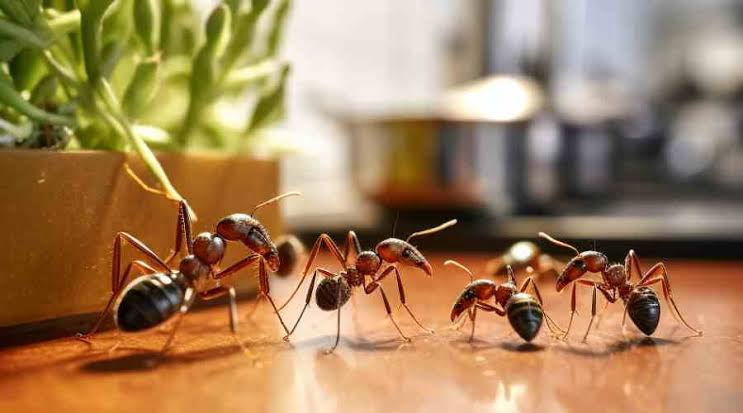

A landlord walks through a rental in Preston between tenants and spots a faint mud line tracking up the edge of a doorframe. It looks like nothing much, so the inspection moves on. That small mark often signals activity already working its way through the timber behind the plaster. Pest problems around Melbourne rarely start out in the open, which is why sound pest control Melbourne work begins by checking the spaces you walk past every day rather than waiting for damage to show itself.
Why Melbourne Properties Attract Pests
Melbourne shifts from cold, damp winters to dry summer heat, and pests adjust with each change. Wet weather drives rodents and ants indoors, while summer draws cockroaches toward cool, moist rooms. Open bins, food scraps and loose waste storage keep them fed once they settle in. Roof voids give shelter, wall gaps give entry, and garden beds pushed against brickwork bridge soil straight to your frame. Stored timber, shared walls in apartment blocks and busy loading areas each raise the risk in their own way. A Fitzroy café and a Dandenong warehouse face different pressures, so each property needs its own assessment.
What Effective Pest Control Melbourne Should Address
Good work starts with correct identification, because the wrong diagnosis wastes both effort and money. From there, a technician traces entry points, food and moisture sources, and the harbourage spots where pests gather out of sight. Clearing the roaches on a benchtop deals with tonight. Finding the warm cavity behind the oven where they breed deals with next month. Inspection findings shape the treatment plan, and monitoring with follow-up visits confirms numbers keep dropping instead of quietly building back up.
Termite Treatment Melbourne Property Owners Should Understand
Termites move in silence through subfloors, wall cavities and roof timbers, feeding inside the grain while the surface stays smooth. They travel up from moist soil into any timber resting near the building. Watch for mud tubes running along piers or foundations, timber that sounds hollow when tapped, loose skirting boards, and doors or windows that start sticking for no clear reason. If you suspect termites, leave the area untouched and resist breaking open the wood. Disturbing a working colony scatters it deeper into the structure and makes the trail harder to follow. The species, the moisture around the site and the extent of the activity all steer whether soil treatment, a baiting system or a physical barrier suits your termite treatment Melbourne plan.
German Cockroach Control for Kitchens and Workplaces
German cockroaches stay close to warmth, hiding behind fridges, inside oven housings, around dishwasher motors and in cupboard corners near food residue and water. They breed fast, move after dark, and leave droppings that look like ground pepper along with pale egg cases wedged into cracks. A family kitchen in Brunswick and a restaurant galley in the CBD share the same weakness, since both hold food, water and dozens of tight hiding points. A surface spray across a bench misses the sealed voids where the colony lives, so the numbers rebound within weeks. Steady German cockroach control relies on targeted gel and bait placed at the harbourage, close cleaning to strip out food and grease, sealing off access, and monitoring that tracks the decline through kitchens and food storage areas.
Bird Netting Melbourne Properties Use to Restrict Access
Pigeons and starlings settle on balconies, warehouse rafters, loading bays, car park beams, building ledges and the sheltered gap beneath solar panels. Their droppings corrode surfaces and carry health risks, while nesting material clogs gutters until water backs up over a doorway. Well-fitted bird netting Melbourne businesses rely on seals off the ledge or void the birds favour, so they lose the landing spot altogether. Correct measurement, secure fixing points, the right mesh size and full edge coverage separate a net that lasts from one that sags and lets birds slip behind it. Done properly, it holds tension across the opening and ends the endless cycle of cleaning and shooing the same flock away.
Practical Steps to Reduce Pest Activity
- Seal gaps around doors, pipes, vents and external walls to close off entry routes.
- Store food and waste in sealed containers and empty bins on a set schedule.
- Repair leaking taps and clear blocked drainage to cut off water sources.
- Move stored timber, firewood and mulch well away from the building.
- Trim shrubs and branches back from walls and rooflines.
These habits lower the odds of an infestation taking hold, though they work alongside professional treatment rather than replacing it. Maintenance keeps conditions unwelcoming, while a technician finds the nests and moisture faults you would walk straight past.
When to Arrange a Professional Inspection
Book an inspection once you notice repeated sightings, fresh droppings, egg cases, nesting material, timber that has changed shape, an unexplained musty smell, or scratching in roof and wall spaces. Activity that returns soon after a thorough clean points to a source hidden deeper in the structure. An early inspection hands you a clear read on what you are dealing with, before the damage and the cost grow.
A Property-Specific Approach Matters
Homes, commercial kitchens and strata buildings each carry different layouts, risks and shared boundaries, so one fixed method rarely fits them all. Tom’s Pest Control Melbourne builds each plan around what the inspection uncovers, keeps you informed through the process, and pairs treatment with practical prevention advice and follow-up support suited to how the property gets used.
Contact Tom’s Pest Control Melbourne
Early action costs far less than repair. If you have spotted mud tubes, cockroach droppings, roosting birds or anything out of place, a professional pest control Melbourne inspection gives you a clear picture before things worsen. Get in touch with Tom’s Pest Control Melbourne to arrange an inspection or request advice matched to your home or business.