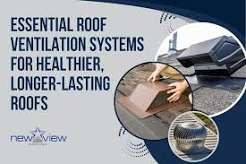

Many homeowners think about shingles, flashing, and gutters when they consider roof maintenance, but one of the most important parts of any roofing system is hidden inside the attic. Proper roof ventilation plays a critical role in protecting your home from moisture, heat buildup, and premature roof failure.
Without adequate ventilation, your attic can trap hot, humid air during the summer and warm, moist air during the winter. Over time, these conditions can shorten the life of your roof and lead to expensive repairs.
What Is Roof Ventilation?
Roof ventilation is the process of allowing fresh air to enter your attic while letting warm, moist air escape. A balanced ventilation system typically includes intake vents near the soffits and exhaust vents near the ridge of the roof.
This continuous airflow helps regulate attic temperatures and reduces moisture buildup throughout the year.
Benefits of Proper Roof Ventilation
A properly ventilated attic provides several important benefits, including:
- Extending the life of your roof
- Reducing excess attic heat
- Lowering cooling costs during the summer
- Preventing moisture damage
- Reducing mold and mildew growth
- Helping prevent ice dams during winter
- Protecting insulation performance
These benefits make ventilation one of the most valuable yet overlooked components of a roofing system.
Preventing Moisture Problems
Every day, moisture enters your attic from normal household activities such as cooking, showering, and doing laundry.
If that moisture has nowhere to escape, it can condense on rafters, roof decking, and insulation.
Over time, trapped moisture may cause:
- Wood rot
- Mold growth
- Rusted fasteners
- Damaged insulation
- Ceiling stains
- Structural deterioration
Good ventilation helps remove this moisture before it causes significant damage.
Lower Summer Attic Temperatures
During the summer, attic temperatures can easily exceed 140°F.
Excessive heat can:
- Age asphalt shingles faster
- Increase cooling costs
- Damage roof decking
- Reduce insulation efficiency
Proper airflow helps remove trapped heat and keeps attic temperatures closer to outdoor conditions.
Reducing Ice Dams During Winter
Poor ventilation contributes to one of the most common winter roofing problems—ice dams.
When warm attic air heats the underside of the roof, snow begins melting. The water then refreezes near the colder roof edge, forming a ridge of ice that traps additional water behind it.
This trapped water may eventually work beneath shingles and leak into the home.
Balanced attic ventilation helps keep roof temperatures more consistent and reduces the likelihood of ice dam formation.
Signs Your Roof May Have Ventilation Problems
Homeowners should watch for warning signs such as:
- Excessively hot attic temperatures
- Mold or mildew
- Frost in the attic during winter
- Curling shingles
- Premature roof aging
- Peeling paint near roof overhangs
- High energy bills
These issues often indicate that additional attic ventilation may be needed.
Common Types of Roof Vents
There are several ventilation systems used on residential roofs.
Popular options include:
- Ridge vents
- Soffit vents
- Box vents
- Gable vents
- Roof turbines
- Powered attic fans
A roofing professional can determine which combination provides the proper airflow for your home’s design.
Routine Roof Inspections Matter
Even a well-ventilated roof should be inspected regularly.
Professional inspections help identify:
- Damaged vents
- Blocked soffit openings
- Flashing problems
- Missing shingles
- Moisture intrusion
- Early signs of deterioration
Catching these issues early can help homeowners avoid larger repairs later.
When Ventilation Isn’t Enough
Although proper ventilation helps extend the life of a roof, it cannot reverse years of aging or severe storm damage. If your roof has widespread deterioration, recurring leaks, or extensive shingle damage, replacing the entire roofing system may be the best long-term solution.
If you’re considering upgrading your roof, see what’s involved before making your decision. Understanding the replacement process can help you choose the right roofing system for your home and ensure it performs well for decades.
Frequently Asked Questions
Can poor ventilation shorten the life of a roof?
Yes. Excess heat and trapped moisture can accelerate shingle deterioration and damage roof decking over time.
Does every home need attic ventilation?
Yes. Nearly every residential roofing system benefits from balanced intake and exhaust ventilation.
Can roof ventilation lower energy bills?
Proper attic ventilation helps reduce heat buildup during the summer, allowing your air conditioning system to operate more efficiently.
Should roof vents be inspected?
Absolutely. Roof vents should be checked during routine roof inspections to ensure they remain free of debris and function properly.
Final Thoughts
Roof ventilation is one of the most important factors in maintaining a healthy roofing system. By allowing consistent airflow through the attic, homeowners can reduce moisture buildup, improve energy efficiency, minimize winter ice dam formation, and extend the overall lifespan of their roof. Investing in proper ventilation today can help prevent costly roofing problems for many years to come.
Subject: Why Roof Ventilation Is Essential for a Healthy and Long-Lasting Roof
Generic anchor text: “see what’s involved”
Links to: https://skroofingandconstruction.com/roof-replacement/
This gives you another unique article with a different topic and a different natural anchor text, helping diversify your internal linking strategy.