
For many local homeowners, water softener installation in Brea becomes a serious consideration after the same problems keep showing up: white scale around faucets, cloudy glassware, dry-feeling skin after showers, and appliances that appear to be under extra strain.
These are not always signs of unsafe water, but they are often signs that the home’s water could be treated more effectively.
Brea’s municipal water system is managed through the city’s Water Division, which is responsible for potable water service, water quality issues, and related system concerns.
Even when water meets required standards, homeowners may still want better everyday performance from the water they use for bathing, cooking, laundry, cleaning, and drinking.
Triton Water Products has served Brea and surrounding Southern California communities for 15 years with home water diagnostics, professional installation, and practical system recommendations.
Homeowners can request an in-home water consultation to better understand what is happening inside their specific property before choosing a solution.
What Hard Water Does Inside a Home
Hard water has a high concentration of minerals, primarily calcium and magnesium.
These minerals can cling to plumbing, fixtures, shower doors, water heaters, dishwashers, and washing machines.
Over time, that mineral residue becomes scale.
In daily life, scale may show up as spotted dishes, stiff laundry, chalky buildup on faucets, soap that does not lather well, and skin or hair that feels less clean after bathing.
For homeowners looking for hard water solutions, the goal is usually not just softer-feeling water.
The bigger goal is reducing the long-term stress that mineral buildup can place on the home.
Softening vs. Filtration: What Homeowners Should Know
A standard water softener is built to reduce the minerals that cause water hardness.
A whole-house water filtration or conditioning system may also help reduce chlorine taste, odor, and other unwanted qualities depending on the technology used.
This distinction matters because not every home needs the same setup.
Some households may benefit from an anti-scaling system designed to reduce scale buildup without the same maintenance style as a traditional salt-based softener.
Some homeowners may prefer a more comprehensive water treatment solution that enhances both the feel of the water and the overall water quality throughout the home.
The right recommendation depends on water test results, plumbing conditions, family preferences, available space, and whether the homeowner is most concerned about scale, taste, drinking water, skin comfort, appliance protection, or all of the above.
Why Professional Water Testing Comes First
Responsible Brea water treatment starts with testing.
A visual inspection alone cannot show the full picture.
Professional in-home water testing can help identify hardness levels, taste and odor concerns, and the best system configuration for the home.
This step also helps homeowners avoid overspending on equipment they may not need.
A local technician can explain the difference between a whole-home treatment system, an under-sink drinking water system, and a bundled solution that addresses both household water and drinking water preferences.
Drinking Water Options Beyond Softening
While whole-home systems are useful for bathing, cleaning, laundry, and appliance protection, many homeowners also want better drinking water from the kitchen sink.
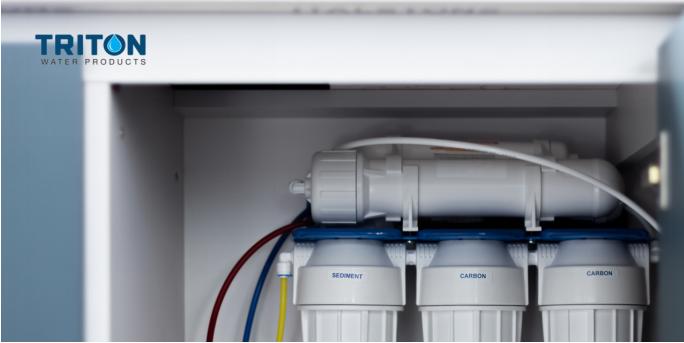
Triton Water Products offers 5-stage under-sink reverse osmosis drinking water systems designed to use a 0.0001-micron semi-permeable membrane to reduce many unwanted contaminants, including substances such as lead, arsenic, pesticides, organic solvents, and PFAS.
For households that prefer mineral-enriched water, 6-stage alkaline RO systems add a final remineralization stage with minerals such as calcium, magnesium, and potassium.
This can raise pH into an alkaline range while improving taste and mouthfeel.
For many households, the most effective solution is combining a whole-house anti-scale or filtration system with an under-sink RO system.
That way, the home gets better water for daily use, while the kitchen sink delivers cleaner drinking water for hydration, cooking, coffee, tea, and ice.
What to Expect During Installation
Home assessment comes first.
A professional installer starts by reviewing the home’s current water setup and identifying the best placement for the system.
Key plumbing areas are checked.
This may include the water main, plumbing layout, available equipment space, drain access, and the household’s daily water usage needs.
The treatment system is installed near the main line.
Once the right system is selected, the unit is typically placed where it can treat water before it moves throughout the home.
System connections are completed and tested.
The technician may connect bypass valves, check water flow rate, test for leaks, and confirm that the system is operating properly.
Under-sink RO systems require separate setup.
Installation usually includes the filtration unit, storage tank, dedicated faucet, and drain connection under the kitchen sink.
Clear guidance should be provided after installation.
Homeowners considering water softener installation in Brea should choose a company that explains maintenance needs, service options, and realistic results after the system is installed.
A Better Approach to Protecting Brea Homes from Hard Water
Hard water may be common in Brea, but homeowners do not have to keep dealing with scale, spots, dry-feeling water, and appliance stress.
With the right testing, system design, and professional installation, a home can have cleaner, more comfortable water from the main line to the kitchen sink.
Schedule a free in-home water consultation with Triton Water Products today and discover the right water treatment solution for your home.
FAQs About Water Softener Installation in Brea
1. Can a water softener improve the quality of tap water for drinking?
A softener mainly targets hardness minerals.
For drinking water concerns, many homeowners add an under-sink reverse osmosis drinking water system.
2. What is better: a water softener or an anti-scaling system?
It depends on the home.
A water softener takes out the minerals that cause hardness, while an anti-scaling system helps limit the buildup of scale.
Testing helps determine the better fit.
3. Can hard water damage appliances?
Hard water can contribute to mineral buildup inside water heaters, dishwashers, washing machines, and fixtures.
Reducing scale may help appliances operate more efficiently over time.