
The construction industry is continuously evolving, with innovations such as the insulated EPS roof panel offering substantial improvements in building performance and efficiency. Expanded Polystyrene (EPS) panels are being increasingly utilised due to their exceptional insulating properties and versatility.
What Are Insulated EPS Roof Panels?
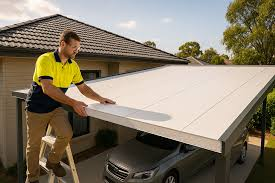
Insulated EPS roof panels are a form of sandwich panel that consists of two layers of rigid material with an insulating core of Expanded Polystyrene. This core provides excellent thermal insulation, sound dampening, and structural integrity. These panels are lightweight yet strong, which makes them ideal for a variety of construction applications.
Benefits of Using EPS Roof Panels
There are multiple benefits to using EPS roof panels in construction. They deliver superior thermal insulation, leading to energy efficiency and cost savings in heating and cooling. Their lightweight nature reduces the load on the structure and simplifies installation, which can further reduce labour costs and build time.
Applications in Modern Construction
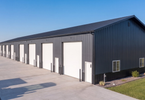
These panels are suitable for various applications, from residential housing to commercial buildings and industrial facilities. Their ability to provide robust insulation makes them ideal for cold storage facilities and environments requiring strict temperature control.
Residential Use
In residential settings, EPS roof panels contribute to the overall comfort of the home by reducing energy consumption, which translates to lower utility bills. They also help in noise reduction, creating a quieter indoor environment.
Commercial and Industrial Use
In commercial and industrial buildings, the focus is often on energy efficiency and reducing operational costs. EPS roof panels assist in achieving these goals through their inherent insulating properties, allowing facilities to maintain stable indoor conditions regardless of the external climate.
Comparing EPS with Other Insulation Materials
When comparing EPS with other insulation materials, such as polyurethane or fibreglass, EPS offers a cost-effective solution with adequate thermal performance and environmental benefits due to its recyclability. Its moisture resistance also surpasses other insulating materials, which can absorb water and lose effectiveness over time.
Installation and Maintenance
One of the advantages of using insulated EPS roof panels is the ease of installation. Their lightweight characteristic allows for faster assembly with less manpower. Additionally, they require minimal maintenance over their lifespan, offering a balance of durability and performance.
Environmental Impact and Sustainability
Sustainability is a growing concern in construction, and EPS panels are well-suited to meet these demands. They are recyclable and can be repurposed at the end of their lifecycle. The energy efficiencies they provide also contribute to reduced carbon footprints for buildings.
Cost Considerations
Initial costs for EPS roof panels can be higher than some other materials, but the long-term savings from reduced energy bills and maintenance costs can offset this initial investment. Their longevity and recyclability further increase their economic viability.
Key Factors to Consider When Choosing EPS Panels
When selecting EPS roof panels, one must consider factors such as thermal performance requirements, climatic conditions, and the specific needs of the building project. The choice of panels should align with the overall design and sustainability goals of the project.
Conclusion
Insulated EPS roof panels represent a significant step forward in building technology. Their combination of thermal efficiency, cost-effectiveness, and sustainability makes them a preferred choice for modern construction projects. As the industry continues to prioritise energy efficiency and environmental responsibility, the adoption of these innovative panels is expected to rise.