Energy bills keep climbing, and most homes leak money through the roof, walls, and old appliances without their owners realizing it. The encouraging part is that energy efficient home upgrades do not require a full rebuild or a huge budget. A handful of well-chosen improvements can cut heating, cooling, and electricity costs for years while making the house noticeably more comfortable. This guide ranks the upgrades by payoff, starting with the cheapest wins.
Seal the Leaks and Insulate First
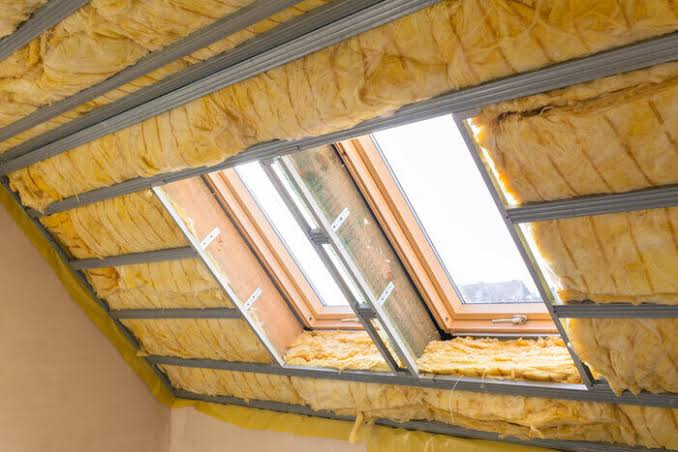
Before buying any technology, stop the air you have already heated or cooled from escaping. Seal gaps around windows, doors, pipes, and attic hatches with caulk and weatherstripping, and check loft insulation depth; topping it up is one of the cheapest improvements per dollar saved. These unglamorous steps come first in every credible list of energy efficient home upgrades because new equipment cannot perform well in a leaky house. A simple test on a windy day, holding a tissue near window frames and outlets, reveals drafts you can fix in an afternoon.
Upgrade Heating, Cooling, and Hot Water Wisely
Heating and hot water usually account for the largest share of household energy use, so aging systems deserve attention. When a boiler, furnace, or water heater reaches the end of its life, replacing it with a high-efficiency model or a heat pump locks in savings for a decade or more. Smart thermostats add further gains by learning your schedule and trimming heating when nobody is home. Anyone planning construction from scratch should heed the lessons in why building a home from the ground up catches families off guard, because energy decisions made at build time are far cheaper than retrofits later.
Switch Lighting and Appliances in the Right Order
LED lighting is now the default for good reason: it uses a fraction of the energy of older bulbs and lasts for years. Replace the most-used lights first, in the kitchen and living areas. For appliances, do not rush to replace working machines; instead, when each one fails, choose the highest efficiency rating your budget allows, starting with the refrigerator, which runs around the clock. Standby power is another quiet drain, so use power strips to switch off entertainment setups fully at night. These incremental energy efficient home upgrades compound quietly into serious annual savings.
Windows, Shading, and Smart Controls
Old single-glazed windows are a comfort problem as much as an energy one. If full replacement is out of reach, secondary glazing, heavy curtains, and external shading on sun-facing windows deliver much of the benefit at a fraction of the cost. Smart controls tie the whole system together: zoned heating, timer-controlled water heating, and apps that show real-time consumption help the whole household see where energy goes. Homeowners researching bigger projects can find structured guidance through a useful home advice website covering content, design, and expert help, which shows how to organize research before committing to expensive work.
Know Your Numbers Before You Spend
A simple energy audit, professional or DIY, turns guesswork into priorities. Check a year of bills to find your seasonal peaks, and note which systems drive them. Many utilities offer free assessments or subsidized audits that include blower-door tests and tailored recommendations. Rank candidate energy efficient home upgrades by payback period: the years each takes to repay its cost in savings. Quick-payback items fund the slower ones over time, turning efficiency into a self-financing program rather than a single painful purchase.
Solar and Renewables: When They Make Sense
Rooftop solar deserves a serious look once the basics are done, because generating your own power changes the equation from saving energy to producing it. The economics depend on your roof orientation, local tariffs, and whether you can use power during the day or store it in a battery. Get at least three quotes, check installer credentials and warranties, and model savings honestly rather than trusting headline payback figures. Solar thermal panels for hot water suit some homes better than photovoltaic panels, and heat pumps pair well with both. Renewable upgrades are the most satisfying energy efficient home upgrades for many households, but they reward homework and punish impulse buying more than any other category.
Habits That Multiply Your Upgrades’ Savings
Technology alone will not fix wasteful habits. Wash clothes in cold water, run dishwashers and washing machines full, keep thermostats steady rather than cycling them, and turn off lights in empty rooms. Small behavioral changes cost nothing and can add ten to fifteen percent to the savings from physical upgrades. Show the household its energy bill monthly and celebrate improvements; when people see the numbers fall, they protect the habits that caused it. Efficiency is ultimately a partnership between the house and the people in it, and the most successful households treat both halves as projects worth improving.
Grants, Rebates, and Financing the Work
Money for efficiency is often available if you look for it. Many governments, utilities, and local authorities offer grants, rebates, or low-interest loans for insulation, heat pumps, efficient windows, and solar installations, with stricter schemes for lower-income households. These programs change frequently, so check before you buy rather than after, and keep every receipt, certificate, and before-and-after photo the application demands. Some insurers and lenders also reward efficient homes with better terms. Spend an evening researching what applies to your address; an hour of paperwork that covers twenty percent of a major upgrade is some of the best-paid time a homeowner ever spends. Keep one simple folder for the whole project, digital or paper, and update it carefully as quotes, certificates, and invoices arrive each week.
Conclusion
Comfort and lower bills come from a sequence, not a shopping spree. Seal and insulate first, modernize heating and hot water when systems age out, convert lighting and appliances in usage order, improve windows and controls, and let an audit set your priorities. Begin with the draft hunt this weekend, book an audit, and work through these energy efficient home upgrades at a pace your budget enjoys.