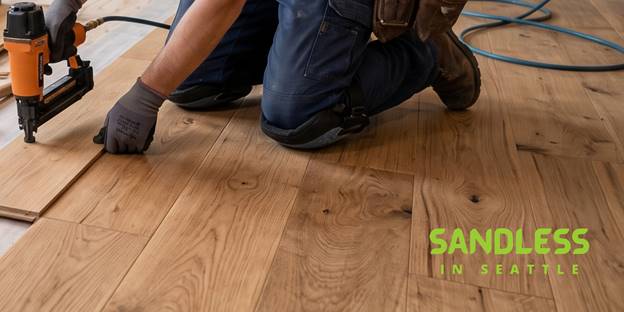
Wood Floor Installation Seattle WA Essential Tips for Pacific Northwest Homes
When tackling home remodeling projects in the Pacific Northwest, few upgrades elevate a property quite like natural wood. However, selecting the right materials requires careful planning.
Between continuous rain and fluctuating indoor humidity levels, property owners must consider more than just aesthetics.
For a successful wood floor installation Seattle WA, understanding the nuances of moisture testing, subfloor preparation, and material selection is absolutely critical.
The Impact of Regional Weather Patterns
Local weather conditions heavily influence the requirements for hardwood floors. If proper moisture testing and indoor climate regulation are ignored, natural wood will inevitably shift and warp.
The most critical environmental elements to consider include
- Humidity Swings: Indoor humidity can drop to 30% in a heated winter living room and spike to 60% or higher during damp, cool transitions.
- Material Vulnerabilities: Softwoods like Douglas fir or certain exotic species can be highly prone to seasonal gapping or cupping if exposed to sudden moisture shifts.
- Climate Control: The indoor environment must be consistently maintained between 35% and 55% relative humidity to protect the integrity of the planks.
Material Selection: Solid vs. Engineered Hardwood
Choosing the right species and construction plays a major role in a floor’s longevity.
Solid Hardwood
This traditional option offers excellent durability for main and upper floors. It allows for multiple future sandings and refinishing but should never be placed below grade due to ground moisture risks.
Engineered Hardwood
This alternative is highly recommended for basements, kitchens, and areas over radiant heating systems. Its cross-ply core resists moisture movement, making it a staple for local flooring contractors aiming for a resilient, long-lasting finish.
Installation Methods: Matching Technique to Subfloor
Selecting the appropriate installation method is just as vital as choosing the wood species, especially when dealing with moisture transmission from underlying foundations:
Nail-Down or Staple-Down
The industry standard for solid hardwood over wooden subfloors. Installers layer vapor-retarder underlayment over exterior-grade plywood to stop subfloor moisture from creeping upward.
Direct Glue-Down
Essential for concrete slab foundations common in daylight basements and modern builds. Professional contractors use premium elastomeric adhesives with built-in moisture barriers to accommodate natural slab vapor emissions.
Floating Floor Systems
Ideal for engineered planks installed over radiant heating or sound-dampening acoustic pads. Boards click or glue together at the joints rather than anchoring to the subfloor, allowing the entire surface to expand and contract freely.
Preparation and Restoration
Proper acclimation and subfloor preparation are non-negotiable steps for any project.
Best practices dictate:
Acclimation Period
Solid wood must sit in the climate-controlled installation space for three to seven days prior to placement to prevent buckling and warping.
Subfloor Integrity
Ensuring the subfloor is perfectly level, structurally sound, and dry is essential before laying down the first plank.
Finishing Touches
When restoring existing surfaces, industry professionals such as Sandless in Seattle often utilize non-invasive refinishing methods and low-VOC, water-based polyurethane finishes. These modern sealants cure effectively even in damp regional conditions without trapping moisture.
Long-Term Maintenance and Moisture Protection
Protecting fine wood surfaces against persistent regional dampness requires a consistent, proactive care routine. Industry specialists recommend adopting these everyday preventative habits:
Strategic Entryway Barriers
Northwest weather inevitably tracks in rainwater and abrasive grit. Placing breathable, high-absorption walk-off mats at every exterior entrance stops water before it penetrates protective topcoats.
Active Humidity Management
Placing a digital hygrometer in main living areas allows residents to monitor indoor moisture swings. Running a dehumidifier during rainy stretches keeps boards stable and gap-free.
Zero-Standing-Water Cleaning
Wet mopping should never be used on natural wood. Instead, routine dry dust-mopping paired with manufacturer-approved, pH-neutral spray cleaners keeps finishes intact.
Securing Lasting Elegance in Pacific Northwest Homes
Upgrading a property with natural hardwood is a significant investment that brings timeless beauty and increased value. However, achieving a flawless, long-lasting result in the Pacific Northwest goes far beyond picking the right stain color.
It demands a deep understanding of local climate challenges, meticulous subfloor preparation, and strategic material choices.
By prioritizing proper acclimation times and adhering to proactive maintenance routines, property owners can effectively protect their surfaces from the region’s notorious dampness.
Ultimately, partnering with knowledgeable flooring experts like Sandless in Seattle ensures that these stunning architectural elements will withstand the test of time, providing durable elegance for decades to come.
Frequently Asked Questions
What factors influence the cost of a wood floor installation Seattle WA?
Costs depend on the material, layout complexity, and subfloor condition. Quality leveling, moisture barriers, and professional labor are crucial investments. Property owners should prioritize experienced contractors to ensure the project is done right.
Does engineered hardwood perform better than solid wood in rainy climates?
Yes. Engineered hardwood features a cross-ply core that significantly reduces expansion and contraction caused by seasonal humidity changes. It is a top choice for basements, kitchens, and homes utilizing radiant heat.
How long should hardwood acclimate before installation?
Experts recommend solid hardwood sit in a climate-controlled room for three to seven days prior to installation. Engineered planks typically require one to three days. Skipping this crucial step often causes warping and noticeable post-installation gaps.