
When it comes to protecting and beautifying a home, few materials carry the legacy, durability, and natural elegance of cedar wood. From roofing shingles and siding to decorative structural elements, cedar has remained a top-tier choice for architects, contractors, and discerning homeowners for generations. Understanding how to select, source, and maintain quality cedar products is essential for anyone investing in long-term home improvement — and that conversation begins with the material itself.
The Enduring Appeal of Cedar in Residential Construction
Cedar wood occupies a unique position in the building materials market. It is naturally resistant to moisture, insects, and decay — properties that make it exceptionally well-suited for exterior applications where other woods would quickly deteriorate. Its cellular structure contains natural oils that act as preservatives, slowing the aging process and reducing the need for chemical treatments. This makes cedar not only a practical choice but also a more environmentally conscious one compared to pressure-treated lumber alternatives.
Beyond its functional advantages, cedar offers an aesthetic warmth that synthetic materials simply cannot replicate. The grain patterns, the rich amber and honey tones, and the way cedar weathers gracefully into a distinguished silver-gray patina all contribute to a home’s curb appeal and character. Whether used for roofing, cladding, fencing, or decorative trim, cedar communicates craftsmanship and quality in a way that resonates with buyers and appraisers alike.
Cedar Roofing: Beauty That Works Hard
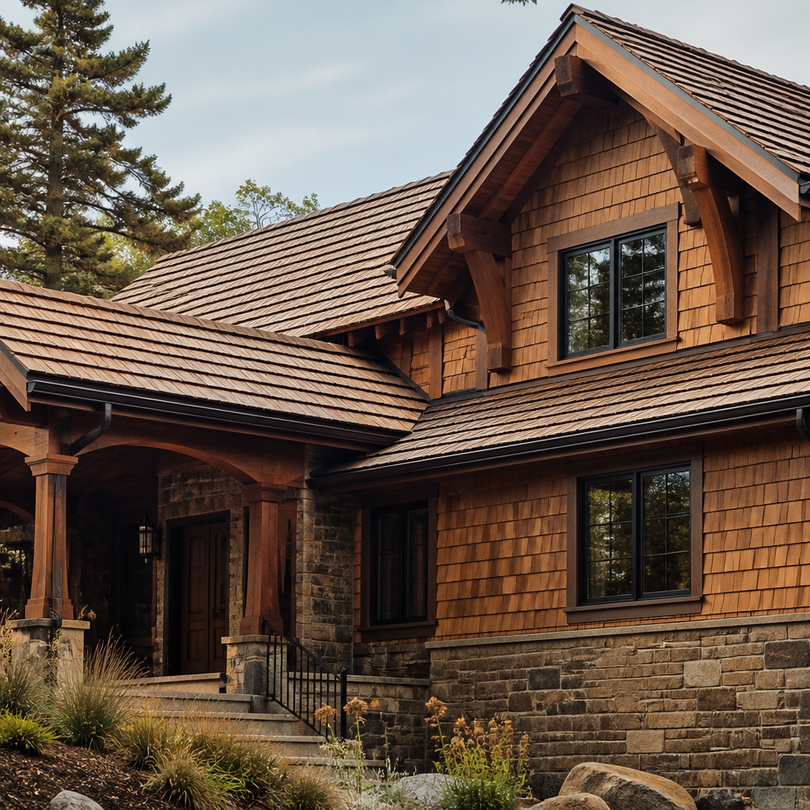
Cedar shake and shingle roofing systems are among the most visually striking options available to homeowners. Unlike asphalt shingles, which can look flat and uniform, cedar roofing creates a textured, layered appearance that adds depth and dimension to any architectural style — from rustic cabins to upscale colonial homes. The natural variation in each piece means no two cedar roofs look exactly alike, giving every installation a one-of-a-kind quality.
From a performance standpoint, cedar roofing is highly effective at insulating a home. Studies have shown that cedar shingles provide roughly twice the insulation value of asphalt, which can translate into meaningful energy savings over time. Cedar also handles thermal expansion and contraction better than many synthetic alternatives, reducing the risk of cracking or warping under extreme temperature fluctuations.
Recognizing When Your Cedar Roof Needs Attention
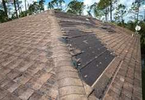
Even the most durable cedar roofing system requires periodic inspection and maintenance. Over time, shingles can split, curl, or develop moss and lichen growth that traps moisture and accelerates decay. Homeowners should be proactive about scheduling professional assessments, particularly after severe weather events. If you notice dark staining, missing shingles, or sagging sections, these are clear indicators that your roof requires immediate professional evaluation. Learning to identify the warning signs your roof needs professional attention can save thousands of dollars in structural repairs down the line.
Routine maintenance for cedar roofing typically includes cleaning debris from valleys and gutters, applying preservative treatments every few years, and replacing individual damaged shingles before problems spread. A well-maintained cedar roof can last 30 to 50 years — a lifespan that far exceeds many conventional roofing materials when properly cared for.
Working with Natural Cedar: Craftsmanship and Technique
For those who appreciate cedar not just as a roofing material but as a medium for fine woodworking and custom millwork, understanding how to work with its natural characteristics is essential. Cedar’s relatively soft density makes it easy to cut, shape, and fasten, but it also means that improper handling can lead to surface compression or tool marks that detract from the finished product. Using sharp blades, appropriate fasteners, and pre-drilling near edges are all best practices that preserve the integrity of the wood.
Natural edge slabs of cedar, in particular, have become increasingly popular in custom furniture and architectural feature work. These pieces celebrate the organic contours of the tree, incorporating the live edge into tabletops, mantels, and wall panels. For those interested in mastering this craft, detailed guidance on how to work with natural edge slabs covers everything from flattening techniques to finish selection, helping craftspeople achieve professional results with this distinctive material.
Finishing and Sealing Cedar for Long-Term Performance
Whether cedar is used on a roof, as exterior siding, or in an interior application, the finishing process plays a critical role in its longevity. For exterior applications, penetrating oil-based stains are generally preferred over film-forming finishes because they allow the wood to breathe while still providing UV and moisture protection. Clear finishes, while visually appealing initially, tend to peel and require more frequent reapplication in outdoor environments.
Interior cedar applications, such as closet linings, paneling, and furniture, benefit from lighter finishing approaches that preserve the wood’s natural aromatic properties. A light sanding and a single coat of clear wax or oil can enhance the grain without sealing in the natural oils that give cedar its characteristic scent and insect-repelling qualities.
Liberty Cedar: A Trusted Source for Premium Cedar Products
When sourcing cedar for any residential or commercial project, the quality of the supplier matters as much as the quality of the wood itself. Liberty Cedar has established itself as a leading provider of premium cedar products, offering a comprehensive selection of shingles, shakes, siding, and specialty lumber that meets the demands of both professional contractors and individual homeowners. With a reputation built on consistent grading standards, knowledgeable staff, and reliable supply chains, Liberty Cedar provides the kind of material confidence that serious building projects require.
Choosing a reputable cedar supplier ensures that the wood you receive has been properly dried, graded, and handled — factors that directly impact how the material performs once installed. Inconsistent moisture content, for example, can lead to warping and splitting after installation, undermining even the most skilled craftsmanship. Working with an established supplier eliminates much of this risk and provides access to expert guidance throughout the selection process.
Integrating Cedar into a Comprehensive Home Improvement Strategy
Cedar is rarely a standalone decision. It fits into a broader vision for a home’s exterior performance, aesthetic identity, and long-term value. Homeowners who invest in cedar roofing, for instance, often find that the material complements cedar siding or trim in ways that create a cohesive, architecturally intentional look. This kind of material consistency signals quality and attention to detail — attributes that resonate strongly in competitive real estate markets.
Planning cedar installations alongside other exterior improvements — such as updated gutters, improved attic ventilation, or new flashing systems — maximizes the return on investment and ensures that each component supports the others. A beautiful cedar roof installed over a poorly ventilated attic, for example, will age prematurely regardless of the wood’s inherent quality. Holistic planning is the foundation of any successful exterior renovation.
Conclusion: Cedar as a Long-Term Investment in Quality
Cedar wood represents one of the most time-tested investments a homeowner can make. Its natural durability, insulating properties, and visual appeal combine to deliver value that synthetic alternatives rarely match over the long term. Whether you are replacing an aging roof, refreshing exterior siding, or crafting custom woodwork, cedar offers a material foundation that rewards careful selection, skilled installation, and consistent maintenance. By partnering with trusted suppliers and staying informed about best practices in cedar care and roofing health, homeowners can enjoy the full benefits of this remarkable natural material for decades to come.