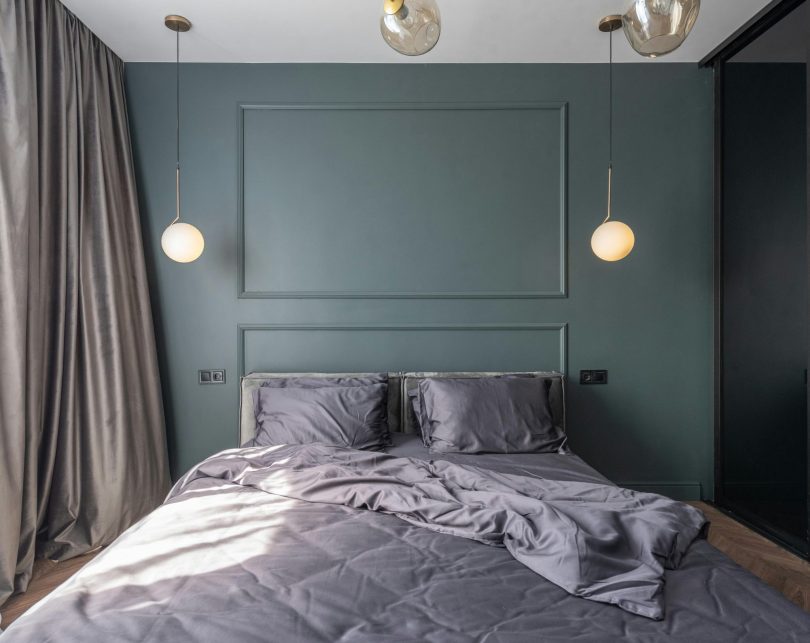

Sleep is one of those things most people know they should prioritise but rarely feel like they’re getting right. The factors that affect sleep quality are well documented: room temperature, light exposure, screen time before bed, stress levels. What gets less attention is the surface you’re actually sleeping on, which is in contact with your skin for seven or eight hours every night.
Bedding isn’t a minor variable. The feel, breathability, and temperature regulation of your sheets affect how quickly you fall asleep, how often you wake during the night, and how rested you feel in the morning. That’s why the choice of material matters more than most people give it credit for, and it’s part of why luxury Egyptian cotton sheets have maintained their reputation as the benchmark for quality bedding over a long period of time.
This isn’t a case of marketing mythology. The properties that make Egyptian cotton sheets perform better than most alternatives come from specific, measurable characteristics of the fibre itself.
The Fibre That Makes The Difference
Egyptian cotton is grown in the Nile River Valley, where the combination of climate, soil, and long growing season produces a cotton plant with an unusually long fibre. That fibre length, referred to as staple length, is the defining physical characteristic of Egyptian cotton and the reason it performs differently from standard commercial cotton.
Short staple cotton fibres, when spun into yarn, leave more loose ends protruding from the surface of the thread. Over time and through washing, those loose ends work free and ball up on the fabric surface as pilling. The texture becomes rougher. The sheet looks and feels worn earlier than the quality of the original material would suggest it should.
Long staple fibres spin into finer, smoother yarn with fewer protruding ends. The resulting fabric has a naturally smoother surface that doesn’t pill in the same way, holds its texture over years of washing, and maintains the softness that made it appealing in the first place. That durability isn’t a coating or a finish. It comes from the fibre itself, which means it doesn’t wash out.
The strength of long staple fibres also means the yarn and the woven fabric hold together better under the stress of regular use. Luxury Egyptian cotton sheets that are properly cared for outlast cheaper alternatives by a significant margin, which is part of the reason they’re considered worthwhile despite a higher initial cost.
What 1500 Thread Count Actually Means
Thread count is the number of threads woven into one square inch of fabric, counting horizontal and vertical threads together. It’s widely used as a shorthand for quality, and to a point that correlation holds. Higher thread count generally means a denser, finer weave.
The problem is that thread count can be manipulated. Manufacturers producing sheets from lower quality, shorter staple cotton can inflate thread count numbers by twisting multiple short fibres together and counting each strand separately. The number looks impressive. The feel and durability of the fabric don’t match it.
Single-ply construction from genuine long staple Egyptian cotton tells a different story. Each thread is a single, fine, high quality yarn. The weave density is real rather than artificially inflated. At 1500 thread count in single-ply sateen weave, the fabric reaches the upper limit of what this construction can achieve. The result is a sheet that feels noticeably different from lower thread counts, not because of the number but because of what that number reflects about the actual construction of the fabric.
1500 thread count Egyptian cotton sheets in sateen weave have a weight and smoothness that lower thread counts don’t produce. The surface has a subtle sheen and a silky quality that’s immediately apparent when you put your hand on the fabric. That quality is consistent across the entire sheet rather than being a surface finish that wears away.
Sateen Weave And Why It Matters For Sleep
The weave used to construct a sheet affects the feel of the fabric as much as the fibre does. Egyptian cotton sheets woven in sateen are constructed so that more threads lie on the surface of the fabric than in a plain or percale weave. That exposure is what creates the characteristic smooth, slightly lustrous surface that sateen is known for.
For sleep specifically, this surface quality reduces friction between the sheet and skin. Less friction means less disruption as you move during the night, which is relevant for anyone who wakes easily or sleeps lightly. The smooth surface also feels cool initially against skin, which is beneficial for people who run warm or sleep in a room that doesn’t cool significantly overnight.
Sateen weave also drapes well, which affects how the sheet sits on a bed and how it moves with a sleeper rather than bunching or resisting movement. A sheet that moves fluidly and lies flat contributes to a bed that feels comfortable from the moment you get in, rather than requiring adjustment throughout the night.
Temperature Regulation Through Natural Fibre
Synthetic fabrics, including microfibre and polyester blends, don’t breathe in the way natural cotton does. Heat and moisture from the body build up between the sleeper and the fabric rather than dissipating through it. For many people this contributes to waking during the night feeling too warm, which disrupts sleep even when the room temperature is appropriate.
Egyptian cotton breathes because it’s a natural fibre with an open structure that allows air to move through the fabric. Body heat passes through rather than being trapped. Moisture from perspiration is absorbed by the cotton fibres and then released as it evaporates, which creates a natural cooling effect that keeps the sleeping surface more comfortable through the night.
This temperature regulation function works in both directions. In cooler conditions, the natural insulation of the cotton fibres provides some warmth without the trapped-heat problem that synthetic materials create. The result is a sheet that adapts reasonably well to different conditions rather than performing well in one temperature range and poorly in another.
How The Sheets Change With Washing
One of the more counterintuitive properties of genuine Egyptian cotton bedding is that it improves with washing rather than degrading. Most people expect the opposite, because it’s what happens with lower quality cotton. You wash it a few times and it starts to feel different, slightly rougher, slightly less soft, like the quality has been diluted.
Egyptian cotton behaves differently. Long staple fibres, once woven and washed, relax and settle in a way that expresses the natural softness of the material more fully. Each wash softens the fabric slightly further without compromising the structural integrity of the weave. Sheets that feel excellent on the first night tend to feel noticeably better after a month of use.
This improvement continues for some time before plateauing at a point where the fabric has fully relaxed and the natural softness of the long staple fibre is fully expressed. Many people find that Egyptian cotton sheets become something they actively notice when they’re sleeping elsewhere, because the comparison with standard cotton becomes apparent in a way it wasn’t before they had experienced the difference.
Caring For Egyptian Cotton Properly
The care requirements for Egyptian cotton sheets are straightforward and don’t require special treatment beyond a few sensible habits.
Washing in cold or warm water rather than hot preserves the integrity of the long staple fibres. High heat over time causes brittleness in natural cotton regardless of quality, so cool washes extend the life of the fabric meaningfully. Tumble drying on a low setting achieves the same result. High heat in the dryer does the same damage that hot washing does, just faster.
Avoiding bleach is worth noting. Bleach weakens cotton fibres chemically and accelerates deterioration of the fabric. Even diluted bleach used occasionally affects the strength of the weave over time. For white sheets, oxygen-based whiteners are a safe alternative that maintains brightness without the fibre damage.
Washing before first use is good practice. It removes any residue from the manufacturing process and begins the softening cycle that each subsequent wash continues. The sheets that come out of that first wash are already slightly softer than they went in, and the improvement continues from there.
The Long-Term Economics Of Quality Bedding
Egyptian cotton sheets cost more upfront than standard cotton alternatives. That’s straightforward. What’s worth calculating, though, is the cost over the life of the product rather than just the purchase price.
A set of low-cost cotton sheets that pills, thins, and loses its feel within a year or two needs replacing. Over five years, the cost of repeatedly replacing cheaper bedding often exceeds the cost of a single set of quality Egyptian cotton sheets that holds its feel and performance across the same period. The per-night cost of quality bedding, calculated over its actual useful life, is often comparable to or lower than the per-night cost of cheaper alternatives that need more frequent replacement.
Beyond the economics, there’s the simpler fact that the sheets are in contact with your skin for roughly a third of your life. Getting into a bed made with sheets that genuinely feel good is a small thing that happens every night. Over time, that consistency adds up to something that’s worth the initial investment.